Understanding How “Premises Liability” Affects Your Slip and Fall Case
Published:
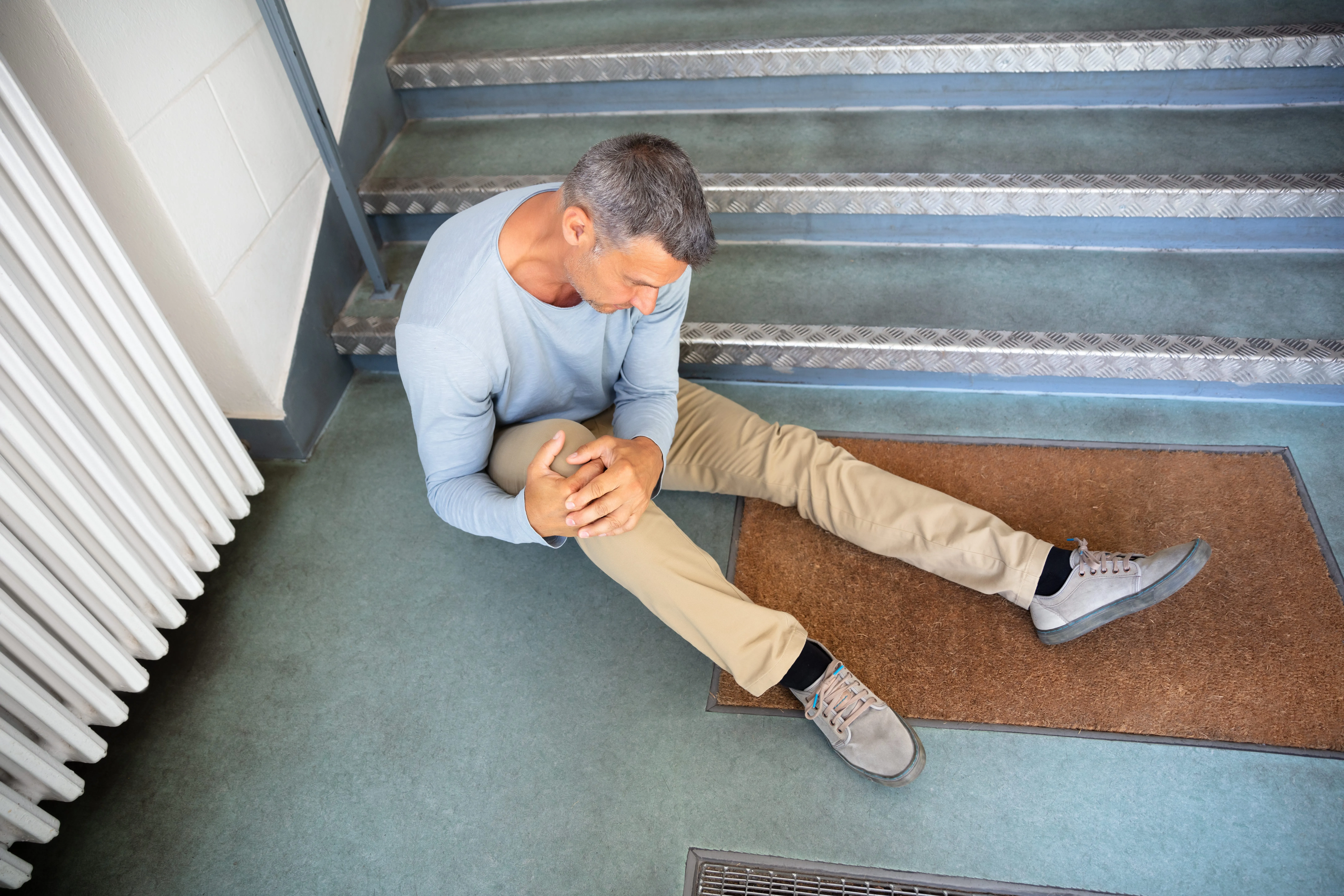
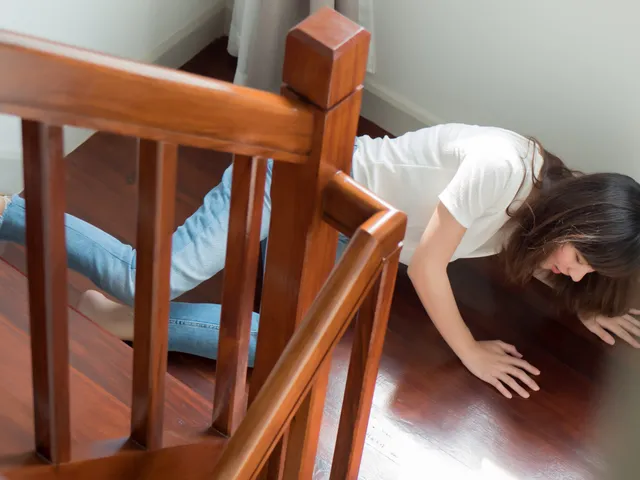
If you are injured on property that is owned and/or operated by someone else, you may have grounds for a premises liability lawsuit. While many of these cases involve slip and fall accidents, this legal concept also applies to other kinds of personal injury claims. However, simply being injured on someone else’s property does not automatically entitle you to compensation.
Here is a guide to Michigan premises liability law and how they may affect your injury claim.
Do You Have a Case?WHAT IS PREMISES LIABILITY?
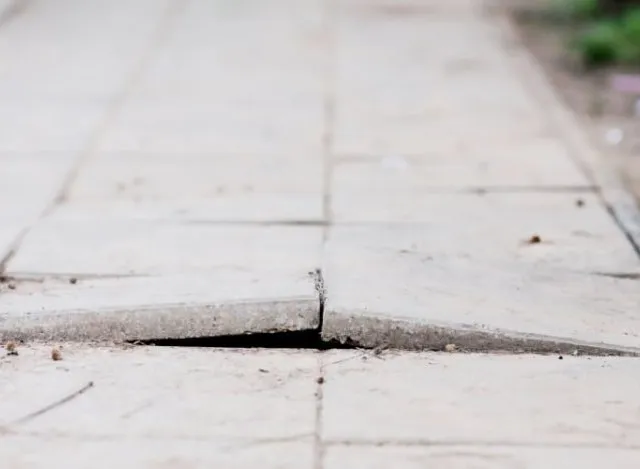
The term premises liability applies to personal injury cases where an individual is hurt because of an unsafe condition on someone else’s property. In Michigan, as in other states, property owners and/or operators have a legal duty to keep the premises they control safe and hazard-free.
Before a plaintiff can consider filing a premises liability lawsuit, the following conditions must be met:
- The person being sued (defendant) has a duty to keep the premises free from potentially dangerous conditions
- The defendant failed to fulfill this obligation
- The plaintiff’s injuries were a direct result of the defendant’s negligence
- The plaintiff suffered damages as a result of the accident
In other words, the victim’s injuries must be a direct result of the defendant’s failure to maintain a safe environment.
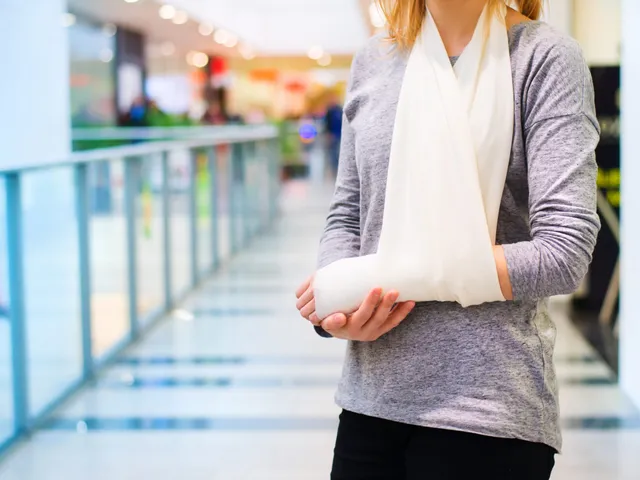
In addition, the plaintiff has to suffer significant damages such as medical bills, lost wages and/or pain and suffering. Minor injuries such as soreness, bruises or scraped knees and elbows are not enough to justify a premises liability lawsuit.
WHAT IS REQUIRED TO PROVE NEGLIGENCE IN A PREMISES LIABILITY CASE?
To win a premises liability case, the plaintiff has to prove the owner or operator of the premises was negligent. In legal terms, negligence means that the premises owner failed to use “reasonable care” in keeping the premises free of hazards and dangerous conditions.
The owner or occupant could be found negligent under the following conditions:
- They caused the unsafe condition, such as a spill on the floor of a grocery store or retail establishment, and failed to clean it up or mark the area in a timely manner.
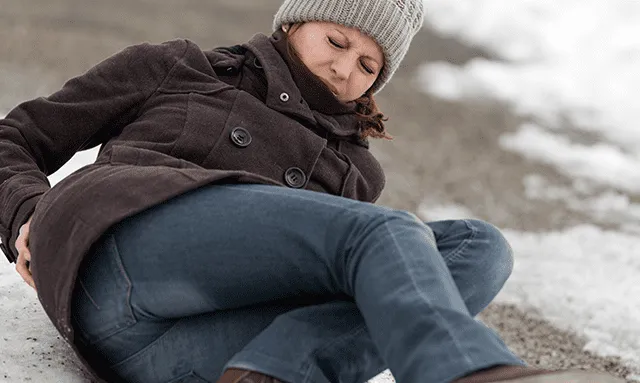
- They did not cause the condition, such as an icy sidewalk, but they knew (or should have known) about it and failed to fix the problem in a reasonable amount of time.
However, simply meeting the above criteria is not enough to establish that the defendant was negligent. The plaintiff also has to prove the owner or operator was aware of the hazardous condition and had reasonable time to remedy the situation before the accident occurred.
Because these cases are complex, a plaintiff should hire an experienced slip and fall accident lawyer.
IS THE VICTIM’S BEHAVIOR A FACTOR IN PREMISES LIABILITY CASES?
Yes, in some cases. Like property owners, visitors are also expected to use reasonable care. If they fail to do this, their claim may be affected by Michigan’s modified comparative negligence law. According to this statute, a victim’s settlement may be reduced according to their degree of fault.
In addition, the victim’s status, or reason for being on the property, is also taken into account. An owner or landlord has the greatest duty of care to “invitees.” This refers to people who are on the premises for the benefit of the owner, such as customers in a store or shopping mall.
The next level of responsibility involves “licensees.” This term applies to those who have express or implied permission to visit the premises such as guests in someone’s home or those attending a religious service.
The last category is people who are considered “trespassers,” individuals who do not have the owner’s consent to be on the premises. Under Michigan law, owners are seldom held responsible when a trespasser is injured on their property.
WHAT ARE THE VARIOUS TYPES OF PREMISES LIABILITY CLAIMS?
Here are some of the different types of personal injury cases that come under the category of premises liability:
-
Slip and fall accidents
-
Trip and fall accidents
-
Being struck by falling objects from shelves in retail stores
-
Injury or assault due to insufficient building security
-
Elevator and escalator accidents
-
Dog bites
-
Swimming pool accidents
-
Amusement park accidents
-
Fires
-
Water leaks or flooding
-
Toxic fumes or chemicals in the air or water
Note that if a dog is on its owner’s property when it bites someone, there may be a basis for a premises liability case, provided the victim had a right to be on the property and wasn’t provoking the dog.
AM I RESPONSIBLE IF SOMEONE IS INJURED ON MY PROPERTY?
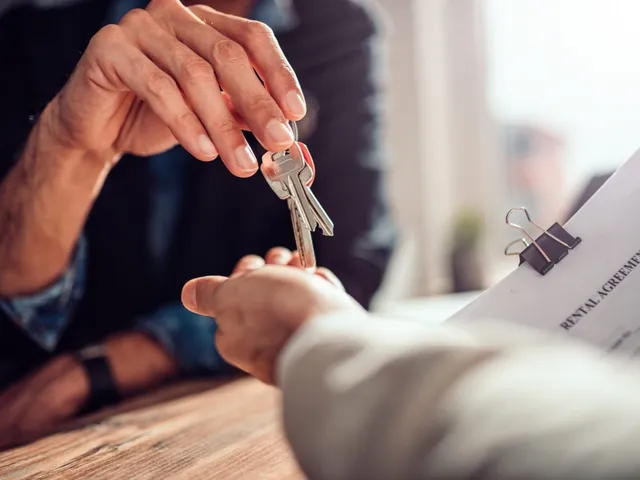
In general, homeowners have the same legal duty as all property owners to keep their premises free of potentially dangerous conditions. However, if the home is rented, the landlord or property owner may be liable, depending on the situation. For example, if the lease states that the tenant is responsible for snow and ice removal, and a visitor falls on the icy porch and breaks an arm, the tenant could be responsible. Nonetheless, the victim would still have to prove negligence on the part of the tenant.
In a multi-unit rental property, such as an apartment complex, responsibility is usually determined as follows:
- The landlord is typically responsible for common areas outside the individual units, including entrances, lobbies, common hallways and stairways and sidewalks
- The tenant is usually responsible for the conditions inside the apartment
- The landlord is responsible for failing to keep the rental property in reasonable repair. I.e. railing not being secured, steps being defective, etc.
For example, the landlord or owner is responsible for a puddle on the floor of the laundry room that is shared by several tenants. But, if a tenant spills water inside the apartment and a visitor slips and falls, the tenant could be held responsible.
OPEN AND OBVIOUS
The former version of “open and obvious doctrine” allowed property owners to evade liability when a hazardous condition is such that an average person would notice it and recognize the danger.
However, the Michigan Supreme Court overturned that doctrine in 2023, making it easier for plaintiffs to receive compensation. Now, Michigan courts will consider if landlords and property owners breached their duty to keep the premises free of dangers.
PUT OUR EXPERIENCE TO WORK ON YOUR SLIP AND FALL CLAIM
If you were injured in a slip and fall accident on someone else’s property, contact us as soon as possible. The Sam Bernstein Law Firm legal team understands the complexities of slip and fall cases and we will fight to win the compensation you deserve.
Premises liability law is complicated, but finding the right slip and fall attorney is simple.
Get your case started today by clicking the button below to fill out a brief form or contact us for a free, no-obligation remote consultation from the safety of your home.
Do You Have a Case?