How to Check Your Motorcycle for Damage After a Crash
Published:
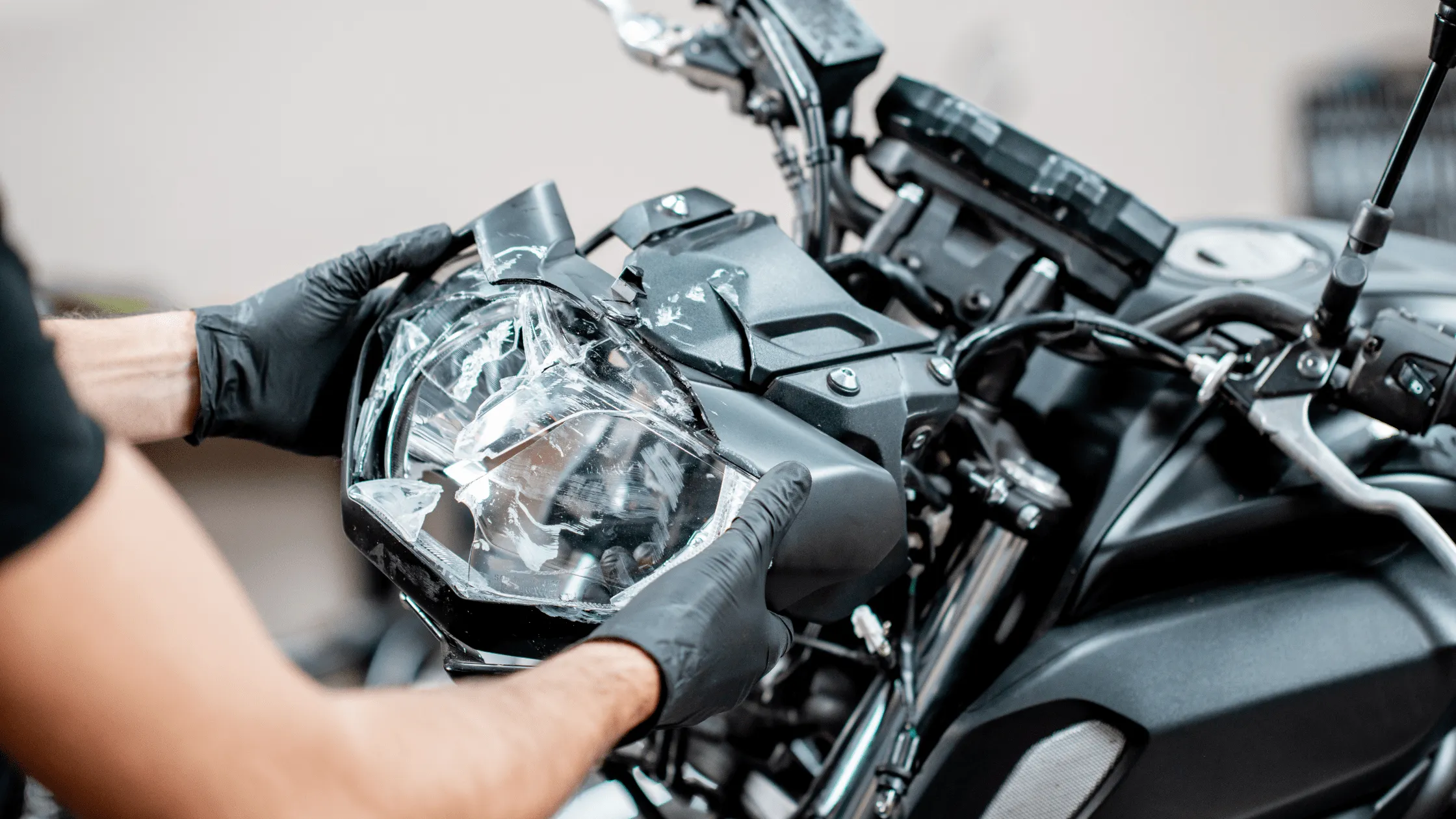
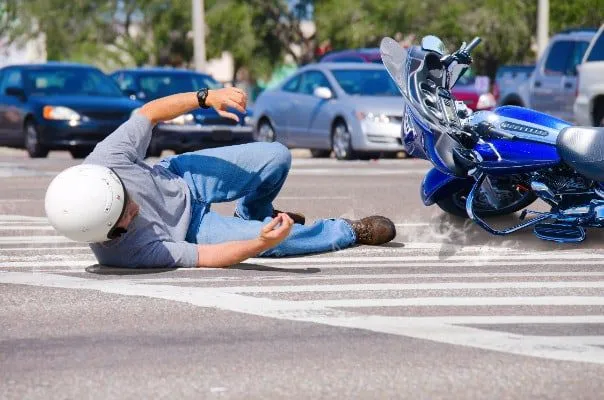
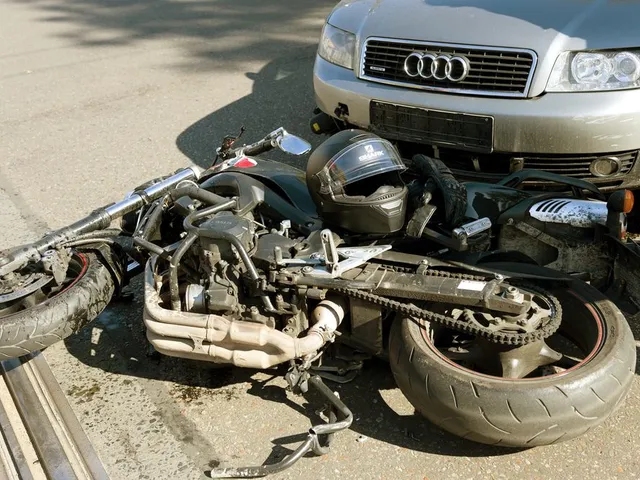
A motorcycle accident is a traumatic experience, for the rider and the bike. Of course, your own physical well-being should take precedence, which includes seeking medical attention if you are injured. If you survived the crash unharmed, and your bike appears to be intact, you may be tempted to ride it home. However, riding a bike after an accident without a proper inspection can be dangerous in addition to causing further damage to the bike.
If you are injured in a motorcycle accident, turn to a trusted motorcycle attorney. To help riders make the safest decision, here is a guide to checking a motorcycle after a crash.
Do You Have a Case?IS IT SAFE TO RIDE MY BIKE HOME AFTER A CRASH?
It’s natural to feel unnerved after a motorcycle crash. While getting home quickly may be your uppermost thought, it’s important to make sure your bike is safe to ride. Before inspecting the individual components, put the bike in neutral and roll it back and forth a few times. Feeling resistance or hearing crunching sounds usually indicates a potential problem.
In addition, the conditions listed below are signs that riding the bike is likely to be dangerous. For safety’s sake, call a towing service or a friend if you notice any of the following during your post-crash inspection:
- Cracked rim
- Low or flat tires
- Broken brake line or difficulty squeezing caliper
- Damaged components such as foot pegs, pedals, levers, clip-ons or bars
- Bent forks, leaking suspension
- Visible or obvious frame or motor damage
A POST-CRASH MOTORCYCLE CHECKLIST
Following is a checklist of the most important things to check after a motorcycle accident:
Tires and wheels
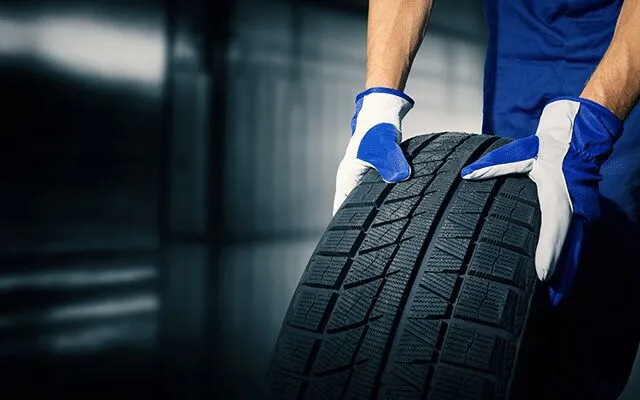
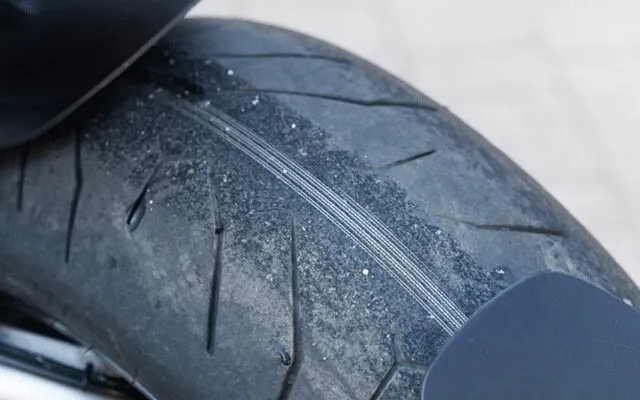
Check for gashes in the tire treads and sidewalls, even if the tires are holding air. Then inspect the wheels for cracked rims or dents, which can prevent the tires from seating properly. Spin the wheels to make sure they aren’t loose on the hub. Furthermore, it’s unsafe to ride a bike if several of the wheel spokes were damaged in the crash.
Brakes and rotors
Remove any debris from the brake and rotor and make sure the wheel spins freely without any snags. Check the brake lines and reservoirs for leaks or cracks. Difficulty squeezing the caliper may indicate fluid loss. Finally, make sure the rotors are not bent or cracked.
Controls
Inspect the clutch as well as the brake lines and levers, which are prone to breaking from the impact of a crash. Verify that the foot controls are not broken or bent, and check the rear pegs and brackets for damage.
Electronics/lights
Start the bike and test the buttons that control the headlights, blinkers, cutoff switch, horn and brake lights. Remember to use the front brake lever and rear foot pedal to engage the brake light.
Frame
Inspect the frame and subframe. If the frame is no longer straight, the bike will be hard to control and therefore dangerous to ride. Additionally, if the seat looks like it’s coming off the tank at a weird angle, the sub frame may need to be replaced.
Fluids
If oil, brake fluid or coolant is present on the exterior of the bike, determine the source before ascertaining whether the bike is safe to ride.
Front suspension
The impact of a crash can cause the front fork to bend or break in half. This can cause the bike to pull to the right or left, which can be especially dangerous at higher speeds.
Chain
Check for missing chain links after a bike has crashed or fallen over. Missing links make it likely that the chain will snap and cause the motorcycle to stall mid-ride.
Side mirrors
A crash can loosen the nuts holding the mirrors, which will cause the mirrors to rotate as the bike picks up speed.
However, even if your inspection does not reveal any problems, take the bike for a short test ride before heading home. If anything feels off-kilter, avoid riding the bike until it can be properly serviced.
DO I NEED TO REPLACE MY HELMET AFTER A MOTORCYCLE CRASH?
Yes. Even if the helmet looks intact, replace it if you sustained any impact to the head, however minor. While the exterior may appear intact, the foam is likely to be cracked or otherwise damaged, which means it may break apart during a subsequent crash.
When choosing a new helmet, make sure it fits properly and is U.S. Department of Transportation (DOT) compliant.
WHAT OTHER STEPS SHOULD I TAKE AFTER A MOTORCYCLE ACCIDENT?
Call for an ambulance if you or someone else is hurt. Otherwise, call the police and remain at the scene until they arrive. Make sure to get an accident report number, which will be necessary for insurance claims or future legal action against an at-fault driver.
If you did not require emergency medical treatment at the scene, take the earliest opportunity to visit the nearest emergency room, urgent care facility or your regular physician for a thorough medical evaluation. Do this even if you are not seriously injured.
Call a motorcycle accident attorney as soon as possible, before you talk to an insurance adjuster or sign any papers. Do not admit fault or discuss your injuries with anyone else involved in the accident.
PUT OUR EXPERIENCED MOTORCYCLE ACCIDENT LAWYERS TO WORK FOR YOU TODAY
If you are injured in a motorcycle accident, we can help. Because many of our lawyers ride, we understand the pleasures and pitfalls of motorcycling. We know what it takes to win your case, and we will put our collective legal expertise and extensive resources to work for you. Once we start your case, we won’t stop until we win the compensation you and your family deserve.
Motorcycle accident law is complicated, but finding the right motorcycle accident lawyer is simple.
Don’t let the legal clock run out. Start your case today by filling out the brief form below or contact us for a free, no-obligation remote consultation from the comfort and safety of your home.
Do You Have a Case?