What Every Car Accident Victim Should Know about PTSD
Published:
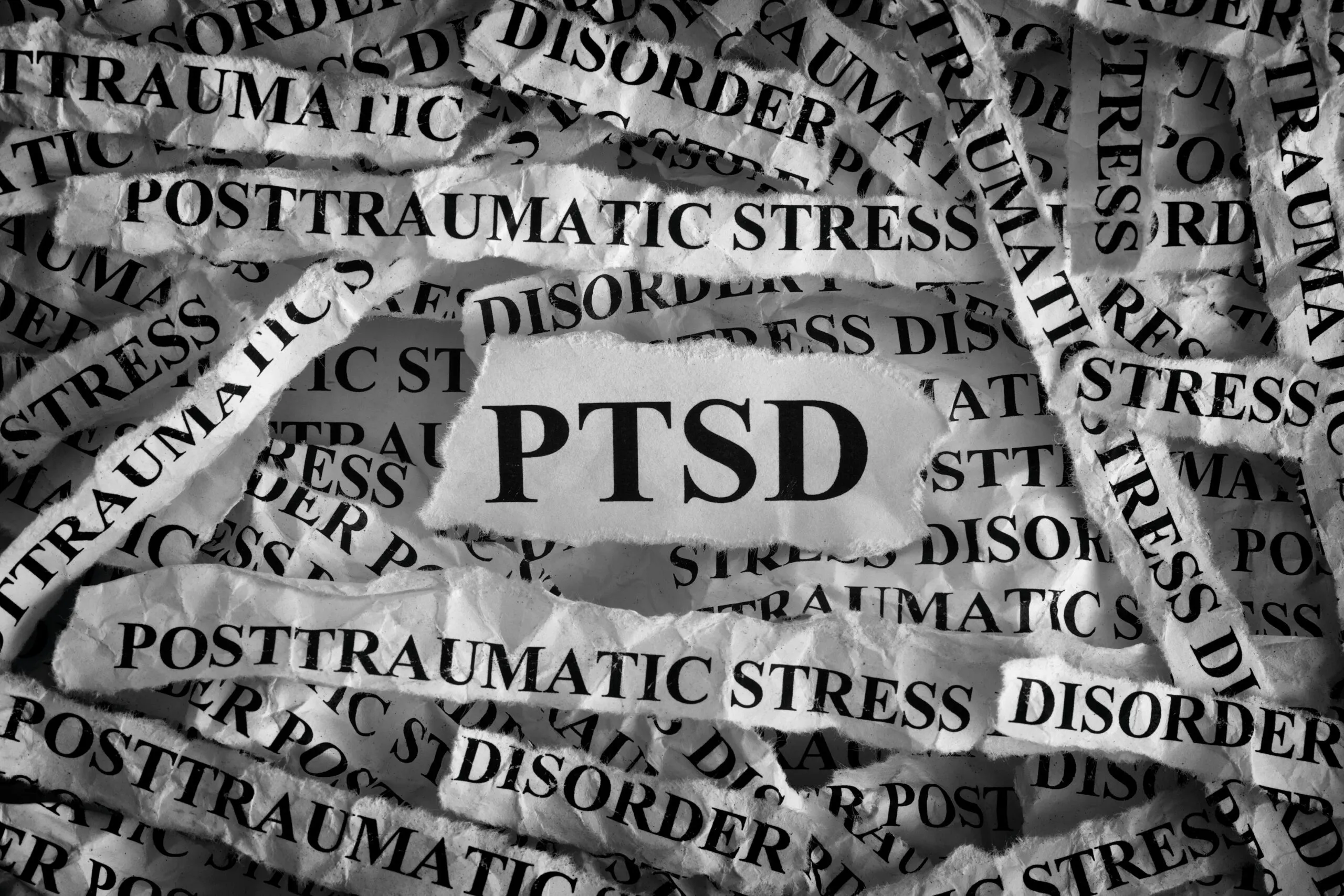
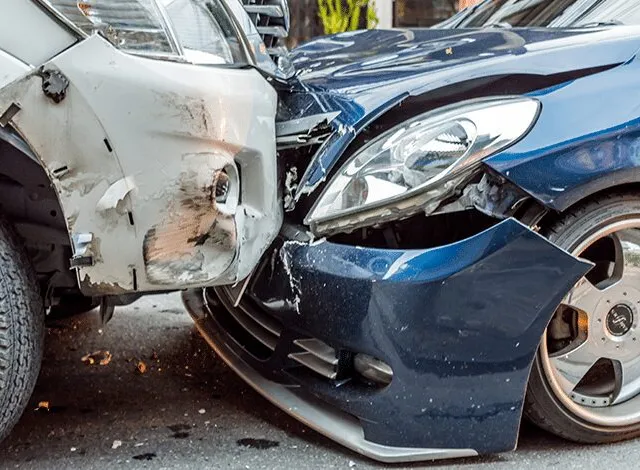
If you have not felt like yourself since the crash, it may be more than “nerves.” Fear of the highway, avoiding the intersection, or a racing heart when you see a similar car can be signs of post-traumatic stress disorder (PTSD).
PTSD is a medical condition. Treatment may be a PIP medical expense. Noneconomic damages for mental harm still have to fit Michigan’s third-party rules (fault, threshold injury, comparative negligence). A car accident lawyer who handles these claims can sort that out.
Do You Have a Case?WHAT IS PTSD?
PTSD can follow a traumatic event you lived through or saw, including a serious crash. Fight-or-flight is normal at the scene. When those reactions last, you may meet criteria for PTSD.
Symptoms range from occasional nightmares to flashbacks and anxiety that stop daily life. They can start days, weeks or months later, often when something reminds you of the wreck.
Mild-looking symptoms can worsen. That is a reason to get care and legal advice before you sign a release.
WHO IS AT RISK FOR DEVELOPING PTSD AFTER A CAR ACCIDENT?
Anyone can develop it. Crash severity is not the whole story, but a belief that you might die, injuries to others and prior trauma all matter. NIMH lists risk factors that often include:
- Dissociation (feeling detached from reality) during or right after the crash
- A strong sense that your life was in danger
- Prior difficulty recovering from other losses
- A history of trauma
- Little family or social support afterward
WHAT ARE THE MOST COMMON SYMPTOMS OF PTSD?
Jumpiness in the first days is common. If problems last more than a month, see a physician or licensed mental health professional. A diagnosis follows DSM criteria, usually grouped like this:
Intrusive memories
- Unwanted memories of the crash
- Nightmares
- Flashbacks
- Strong distress (including a racing heart) at reminders
Avoidance
- Pushing away thoughts and feelings about the accident
- Avoiding people, roads or situations that recall it
Negative changes in mood or thinking
- Trouble remembering the crash (not from a brain injury)
- Exaggerated negative beliefs
- Blame of self or others
- Ongoing fear, anger, guilt or shame
- Loss of interest in things you used to enjoy
- Trouble feeling positive emotion
- Feeling cut off from people close to you
Arousal and reactivity (often two or more)
- Irritability or aggression
- Reckless or self-destructive behavior
- Hypervigilance
- Exaggerated startle
- Trouble concentrating
- Insomnia or broken sleep
WHAT SHOULD I DO IF I HAVE PTSD AS A RESULT OF A CAR ACCIDENT?
Get evaluated and treated. Therapy and, when appropriate, medication are medical decisions.
Then talk to an auto accident attorney before a recorded statement or a settlement. PTSD can appear late. A release is typically final. PIP notice is generally due within one year; a lawsuit is often three years.
OUR EXPERIENCED CAR ACCIDENT LAWYERS ARE READY TO START YOUR CASE TODAY
If you or a loved one is dealing with PTSD or other injuries after a car accident, we can help. Our legal team has the experience and resources to pursue the compensation you deserve.
Car accident law is complicated, but finding the right car accident lawyer is simple. Fill out the form below or contact us for a free, no-obligation consultation.
Do You Have a Case?