Skip to content
1-800-CALL-SAM
SEND MESSAGE
Case Types Reviews & Results Our History Our Firm Community Resources

The Three Types of Distracted Driving: What Every Michigan Driver Should Know

Home>The Bernstein Blog>The Three Types of Distracted Driving: What Every Michigan Driver Should Know

At least 5% of all fatal car accidents involve at least one distracted driver, motorcyclist, bicyclist or pedestrian. And, due to underreporting, experts believe the actual numbers are even higher. Distracted driving falls into three major categories: visual, manual and cognitive. 

If you are in a car accident that resulted from distracted driving, let our experienced car accident lawyers help. Here’s what you need to know about the types of distracted driving, including which is the most deadly.


Do You Have a Case?

WHAT IS DISTRACTED DRIVING?

The most basic definition of distracted driving is any activity that diverts a motorist’s attention away from the process of driving. While many things can cause a driver to become sidetracked, distracted driving is generally classified into three categories:

Visual

Visual distraction is when a driver looks at something other than the road. The distraction can be inside the vehicle, such as a navigation screen or a child in the backseat, or something outside the car such as a billboard or that classic car in the next lane.  

Manual

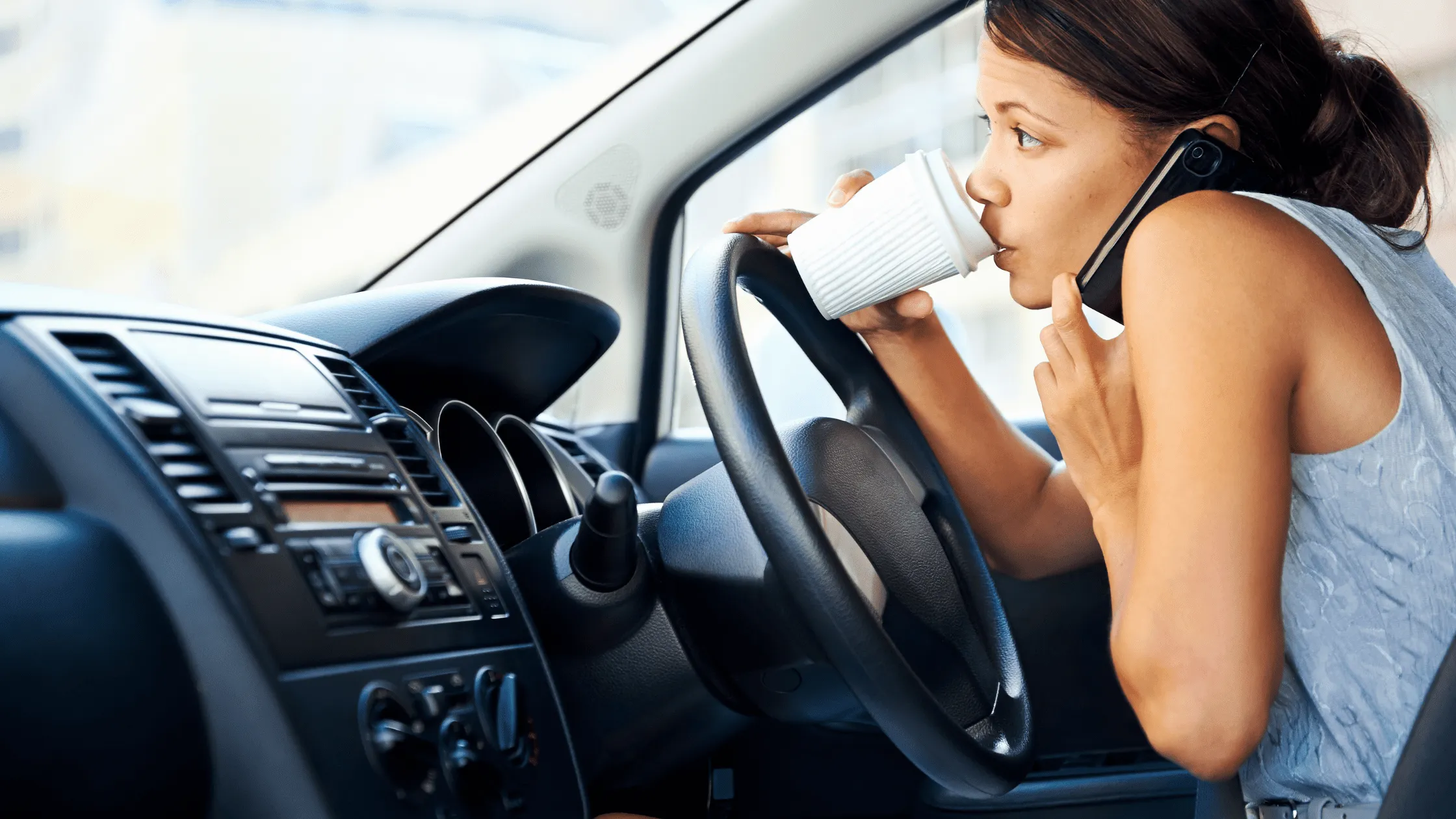
A manual distraction is anything that causes a driver to take one or both hands off the wheel. Using a hand-held cell phone is the most obvious example, but eating or drinking, adjusting the temperature controls and programming the GPS are equally distracting. What’s more, a driver is also mentally distracted when performing these activities, which increases the risk of an accident.  

Cognitive

A cognitive distraction is anything that takes a driver’s mind away from the road and surrounding traffic. Such distractions may include thinking about an upcoming meeting, making a mental shopping list or worrying about a family member or personal problem. When this happens, a driver can become totally unaware of their surroundings until it is too late.

Each type of distraction is risky on its own, but activities that cause all three types to occur are especially dangerous. Examples are sending or reading texts, talking on a hand-held cell phone, putting on makeup and unwrapping and eating a sandwich or candy bar. Anything that takes a driver’s hands, eyes and mind away from the road can lead to tragic consequences.

WHAT ABOUT AUDITORY DISTRACTION?

In addition to visual, manual and cognitive distractions, some traffic safety experts add a fourth category: auditory distraction. This occurs when a driver hears or listens to something unrelated to driving, such as a song, podcast or passengers’ conversations. However, because listening to words or music also requires paying attention, auditory interruptions are typically grouped with other cognitive distractions.

DAYDREAMING IS A FORM OF DISTRACTED DRIVING  

Most people associate distracted driving with cell phones and other electronic devices. However, analysts from Erie Insurance discovered that daydreaming was the major cause of fatal distracted driving crashes.

Unlike other types of distracted driving that physically take away a driver’s attention, like texting, talking to a passenger or eating and drinking, daydreaming is less obvious. However, this can be just as dangerous as other types of distracted driving, especially because the driver can appear focused even when their attention is elsewhere. 

WHAT ARE THE TOP TYPES OF DISTRACTED DRIVING?

According to the NHTSA 2024 Traffic Safety Facts, the most common causes of distracted driving accidents include everyday actions such as: 

  • Another person in the car
  • A moving object inside the vehicle, like a pet or dropped item
  • Using a cell phone, including a hands-free device
  • Changing the radio or temperature controls 
  • Adjusting vehicle elements such as interior lights, the windows or the mirrors
  • Using or reaching for something in the vehicle
  • A person or event outside the vehicle
  • Eating or drinking
  • Smoking
  • Carelessness or inattentive behavior
  • Daydreaming or being lost in thought
  • Unspecified or other distraction 

WHO IS DISTRACTED DRIVING

Distracted driving doesn’t discriminate. Anyone, at any age, can find themselves becoming distracted while driving. That said, some age groups are more likely to be involved in a fatal accident that was caused by distracted driving. 

According to the NHTSA, drivers between 15 and 44 years old make up the highest percent of distracted drivers. In addition, cell phone use while driving is more common in drivers aged 21 to 34 years old. 

10 TIPS TO AVOID DISTRACTED DRIVING

It only takes a second of distraction to cause a potentially fatal car accident. Taking steps to limit distractions while behind the wheel can help protect you and anyone else on the road with you. Here are some ways to avoid distracted driving: 


  1. Avoid eating and drinking while behind the wheel
  2. Put your phone away while driving
  3. Pull over to respond to texts or take a call
  4. If you have passengers, let them be your navigator 
  5. Secure anything that could move around while on the road, including pets 
  6. When using a GPS, enter the destination before taking off
  7. Pull over if your children, passengers or pets need attention
  8. If something falls on the floor while driving, pull over before reaching to grab it
  9. Adjust your seat, mirrors, temperature and radio settings before starting your drive
  10. Keep your attention on the road at all times

PUT OUR EXPERIENCED CAR ACCIDENT LAWYERS TO WORK FOR YOU TODAY

If you or a loved one was injured in a distracted driving accident, we are ready to help. Our knowledgeable legal team knows what it takes to win your case, and we have the expertise and resources to win the compensation you deserve.

Car accident law is complicated, but finding the right Michigan car accident lawyer is simple.

Get your case started today with a free, no-obligation remote consultation from the safety of your home. 


Do You Have a Case?


We are proud to be an official partner of the Detroit Lions®. We share common values including a commitment to hard work and grit in service to our clients and the community.

contact us today!

No upfront fees. No risk. No pressure.

Put our three generations of experience to work for you. Don't wait to get the help you need! As Michigan's most experienced personal injury law firm, we've helped thousands of people just like you get the compensation they deserve. Your consultation is always free, and, with our No Fee Guarantee®, you won't pay anything until we win your case.

"*" indicates required fields

Consent

This site is protected by reCAPTCHA and the Google Privacy Policy and Terms of Service apply.

get the bernstein advantage® today!
Free. Simple. Quick.

Injury Case Types

Personal Injury Car Accidents Motorcycle Accidents Semi Truck Accidents Bicycle Accidents Pedestrian Accidents Dog Bites Serious Injuries Slip & Fall Accidents Asbestos and Mesothelioma Birth Injuries & Cerebral Palsy Sexual Assault Head or Brain Injury Wrongful Death Medical Malpractice Nursing Home Neglect & Abuse Job Discrimination Social Security Disability Workers’ Compensation View All Case Types

Our Firm

Our History Our Team The No Fee Guarantee® The Bernstein Advantage® Careers

Community Service

Call Sam Cares Call Sam Kitchen Bernstein’s Best Friends Chopper Shop

Resources

Michigan Baby Help Center Bernstein Books The Bernstein Blog Bernstein Library Frequently Asked Questions Michigan No-Fault Law

Reviews & Results

Testimonials Awards & Honors In The Media

IDENTIFICATION REQUIRED BY MRPC RULE 7.2(d): Attorney Mark Bernstein is responsible for the content of The Sam Bernstein Law Firm’s legal advertisements. He can be contacted at (800) 225-5726.

© 2026 Sam Bernstein Law Firm. All rights reserved. Terms & Conditions