Mesothelioma: Signs, Symptoms and What to Do Next
Published:
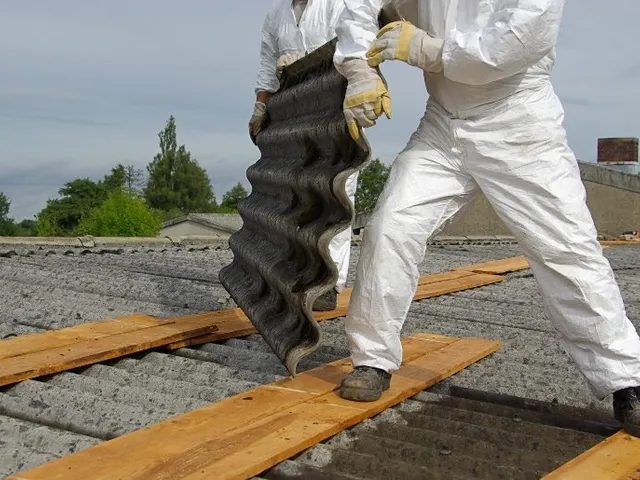
Before asbestos was regulated because of its negative health effects, it was widely used in thousands of construction and manufacturing settings across the U.S. Its ability to withstand fire, high heat, chemicals and electricity made it an ideal choice for many industrial applications.
Unfortunately, many who worked in these industries developed a deadly disease called mesothelioma. What’s more, victims can develop symptoms decades after they were exposed. Here are the facts about mesothelioma and what you can do if you or a loved one is diagnosed with this life-threatening illness.
Do You Have a Case?WHAT IS MESOTHELIOMA?
Mesothelioma is an aggressive and deadly type of cancer that attacks the thin layer of tissue (mesothelium) covering many of the internal organs. Because most cases are not discovered until the disease has progressed, many mesothelioma patients have an average life expectancy of about 12 to 21 months after diagnosis, though survival varies by type, stage and treatment. Survival rates are higher when the cancer is identified in its early stages.
4 Main Categories of Mesothelioma
- Pleural mesothelioma: attacks the tissue surrounding the lungs; the most common type
- Peritoneal mesothelioma: targets abdominal tissue; the next most common type
- Pericardial mesothelioma: very rare; starts in the lining around the heart
- Mesothelioma of the tunica vaginalis: extremely rare; starts in the layer covering the testicles
Regardless of where the disease starts, it often spreads to other parts of the body by the time the patient receives a diagnosis.
WHAT CAUSES MESOTHELIOMA?
Direct Exposure To Asbestos
The primary cause of mesothelioma is exposure to asbestos. In 1971, the Environmental Protection Agency (EPA) identified asbestos as a hazardous air pollutant when its health dangers became more widely publicized. However, by that time, millions of people had already been subject to decades of asbestos exposure from existing sources. This exposure continued even after the federal government limited asbestos use in new applications.
Non-Direct Exposure Factors That Increase The Risk of Mesothelioma
In addition to direct exposure to an asbestos source, the Mayo Clinic cites other factors that may increase a person’s risk of developing the disease. These include:
- Living with someone who works with asbestos and brings the fibers into the home via their skin and/or clothing
- Family history of mesothelioma
- Radiation therapy to the chest
HOW IS MESOTHELIOMA DIAGNOSED?
If you have symptoms of mesothelioma, you should schedule a visit with your doctor, especially if you have lived or worked in an environment where asbestos was used. Your doctor will conduct an evaluation and may order diagnostic tests, including X-rays, CT scans, MRIs and/or biopsies.
WHAT ARE THE SIGNS AND SYMPTOMS OF MESOTHELIOMA?
Symptoms vary depending on the type of mesothelioma and which part of the body is affected. Further, many of the common symptoms are similar to those of other diseases. It’s important to see a physician as soon as possible if you have symptoms that might indicate you have the disease.
The most common mesothelioma symptoms include:
Pleural (lung tissue) mesothelioma
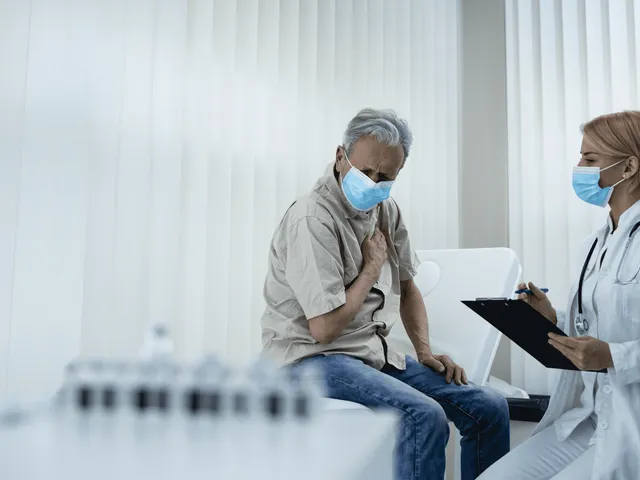
- Chest pain
- Painful coughing
- Shortness of breath
- Unusual lumps of tissue under the skin on your chest
- Unexplained weight loss
Peritoneal (abdominal tissue) mesothelioma
- Abdominal pain
- Abdominal swelling
- Nausea
- Unexplained weight loss
Pericardial (heart tissue) mesothelioma
- Difficulty breathing
- Chest pain
Mesothelioma of tunica vaginalis (tissue surrounding the testicles)
- Swollen testicle
- Lump or mass on a testicle
CAN ASBESTOS EXPOSURE CAUSE OTHER DISEASES?
Yes, asbestos exposure can also cause two other serious illnesses: asbestosis and lung cancer.
Asbestosis
Also known as interstitial fibrosis, this refers to scarring of the lung tissue caused by exposure to asbestos. The main symptom of asbestosis is usually a gradual onset of shortness of breath, especially during or right after physical activity. Symptoms may also include chest pain and coughing.
Individuals with asbestosis have an increased risk of developing more severe asbestos-related diseases such as mesothelioma and lung cancer.
Lung Cancer
While mesothelioma attacks the pleural lining, lung cancer usually involves a tumor on one or both lungs. If untreated, the cancerous cells can spread to other parts of the body.
Some of the symptoms of lung cancer include coughing up blood, wheezing, shortness of breath, chest or bone pain, difficulty swallowing, fever and fatigue.
WHO IS AT RISK FOR MESOTHELIOMA?
Asbestos is largely no longer used in new U.S. construction or manufacturing, but it can still be found in older drywall, plaster, cement, fire doors, floorboards, roofing materials and many other places. Additionally, because of its heat-resistant properties, asbestos was used in small appliances such as toasters and hair dryers.
Therefore, people in a wide variety of work environments and living situations could be in danger of developing an asbestos-related illness. There is no clearly established safe level of asbestos exposure, and those with prolonged exposure have an increased risk.
Working Professionals Most At Risk
Here are some examples of workers who are likely to have high incidences of asbestos exposure:
- Construction workers, especially those who perform demolition or renovation of older buildings
- Insulation installers
- Pipe fitters
- Paper mill workers
- Painters, especially those working in older buildings
- Auto mechanics
- Sailors and shipyard workers
- Electric and gas utility workers
- Carpenters
- Electricians
- Plumbers
- Masons
- Flooring installers
- Power station operators
- Contractors, residential and commercial
- Veterans who spent time in military vehicles, ships and buildings
- Chemical plant workers
- Steel mill employees
- Manufacturing plant workers
- Welders
- Drywall installers
In addition, those who work with asbestos can carry the toxic fibers home in their hair or clothing, exposing family members. Therefore, even those who lived with a person who worked around asbestos many years ago may still be at risk of developing mesothelioma.
HOW IS MESOTHELIOMA TREATED?
Unfortunately, many people are diagnosed when the disease has already advanced through the body. While late-stage cancer usually cannot be removed, there are ways to manage the disease and make the patient more comfortable.
When mesothelioma is detected in its earlier stages, certain treatment options may be effective, such as:
- Surgery
- Chemotherapy
- Radiation therapy
- Immunotherapy
- Targeted therapy
- Alternative treatments for shortness of breath
WHAT SHOULD I DO IF I THINK I HAVE MESOTHELIOMA?
Obtaining a diagnosis from a physician should be your first priority if you are experiencing symptoms of mesothelioma or another asbestos-related disease.
Once your diagnosis is confirmed, contact an experienced mesothelioma lawyer as soon as possible. This is the first step toward receiving the compensation you and your family may be entitled to. Even if your exposure to asbestos occurred many years ago, you may still be able to pursue legal action. In some instances, a spouse or family member may be able to recover damages by filing a wrongful death claim.
CONTACT AN EXPERIENCED MESOTHELIOMA LAWYER TODAY
Michigan has strict filing deadlines for mesothelioma claims, and the legal clock often starts when your illness is diagnosed. Our experienced mesothelioma attorneys know what it takes to win your case, and we are ready to fight for the compensation you deserve.
Get your case started today by clicking the button below to fill out a brief form or contact us for a free, no-obligation remote consultation from the safety of your home.
Do You Have a Case?