 1-800-CALL-SAM
  SEND MESSAGE
What Michigan Boaters Should Know about the New Boating Kill Switch Law
Summer is the ideal season for Michigan boating enthusiasts to spend time with family and friends enjoying Michigan’s magnificent lakes and waterways. However, when a boating accident occurs, the most beautiful day can turn deadly. A majority of boating fatalities happen when a boater drowns after being thrown overboard. Without a kill switch, the boat may continue moving, increasing the risk of propeller injuries, collisions, or leaving boat passengers stranded.
In recent years, the federal government introduced the boating kill switch law, which aimed to reduce these types of incidents on the water. The use of engine cut-off switches, also known as boating kill switches, may help reduce the risk of serious injury or death in the event of a boating accident.
WHAT IS A BOATING KILL SWITCH (ECOS)?
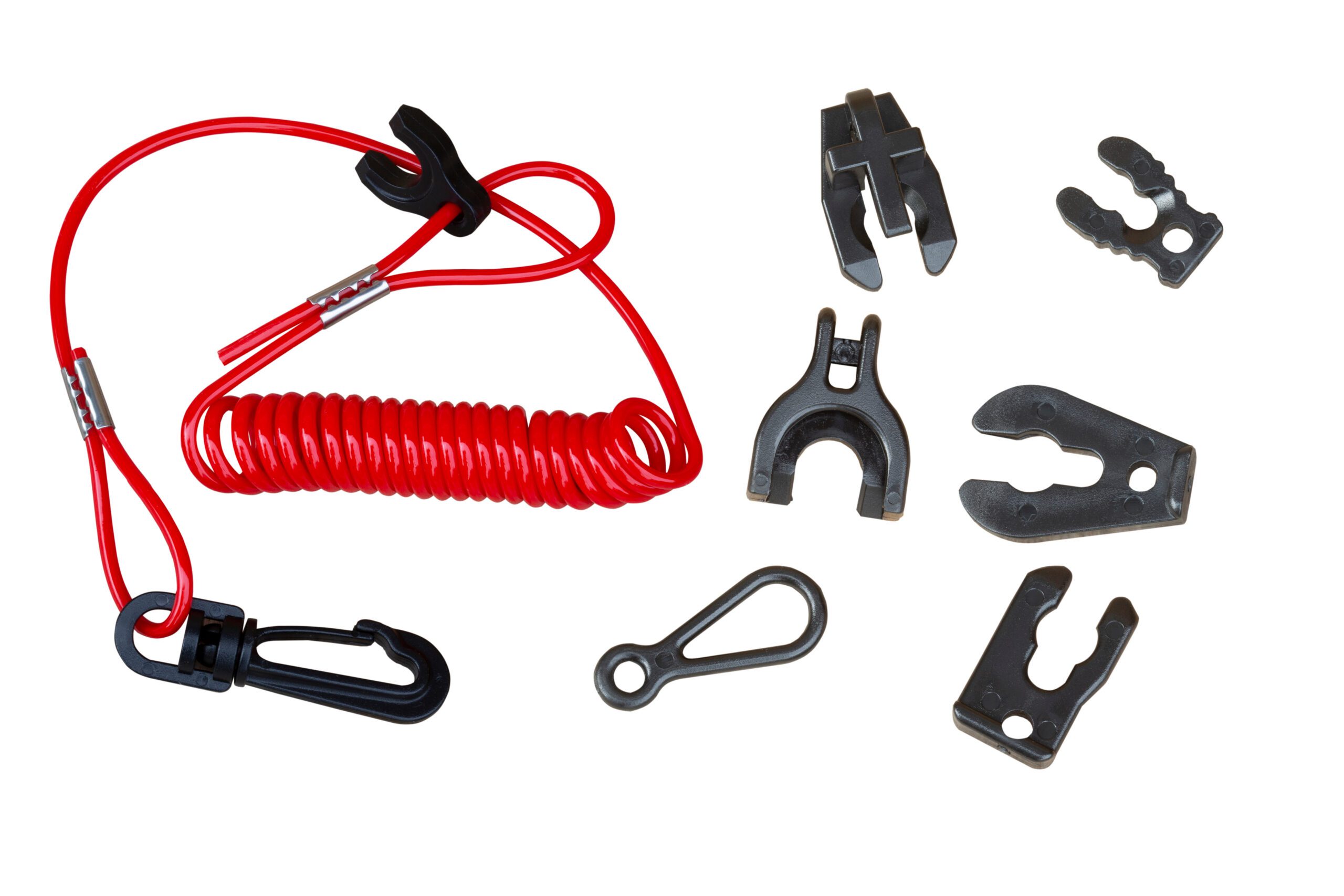
An emergency engine cut-off switch (ECOS), commonly known as a boating kill switch, is a device that shuts off the engine when the operator falls overboard or is thrust away from the helm. For the device to work properly, an ECOS link, a lanyard or cord, connects the engine switch to the operator’s wrist or personal flotation device (PFD). When the operator is pulled away from the helm, the device detaches from the switch, shutting the engine off immediately and automatically.
While many ECOS devices use a physical lanyard, some systems may use wireless technology. These wireless devices rely on a wearable sensor, such as a fob, to communicate with the boat and shut off the engine if the operator moves too far from the boat.
This is a significant safety feature because it eliminates the danger of an overboard boater being hit by a moving propeller. According to the U.S. Coast Guard, a typical three-blade propeller running at 3,200 rpm can potentially inflict 160 impacts in one second.
In addition, many boaters drown after their boat speeds away, leaving them stranded in deep water. This situation is most likely to happen when no one else is on board to turn the boat around or call for help. An ECOS prevents the boat from moving so the operator has a better chance of safely re-boarding the vessel.
WHAT ARE THE REQUIREMENTS OF THE NEW BOATING KILL SWITCH LAW?
Although many boats have included engine cut-off switches for years, federal law now requires their use in certain situations. Section 8316 of the National Defense Authorization Act of 2021, which became effective April 1, 2021, is a federal law that applies to all navigable waterways. The law requires operators of all recreational vessels less than 26 feet in length with engine capacity of 115 pounds of static thrust (3 horsepower) or greater to use ECOS devices.
Although some states have their own ECOS regulations, the new federal law takes precedence over existing state regulations. Furthermore, because states cannot implement federal laws, the U.S. Coast Guard will be the primary enforcer. Boat operators who fail to use an approved ECOS device may face penalties, including fines, for a first offense. Details on the law can be found on the U.S. Coast Guard website.
ARE THERE EXCEPTIONS TO THE ECOS LINK (KILL SWITCH) REQUIREMENT?
Boat operators must use the ECOS link when the vessel is on plane or operating above displacement speed. “On plane” means that the boat is traveling fast enough that it rises up and glides on top of the water. Essentially, the ECOS link should be attached at any time when the boat is moving at higher speeds.
That being said, ECOS links, or kill switches, are not required in the following situations:
- On boats with engine capacity less than 115 pounds of static thrust (3 horsepower)
- Vessels with the main helm located in an enclosed cabin
- Docking and other low-speed activities
- Launching and loading a boat onto a trailer
- Trolling and operating a vessel in no-wake zones
While these exceptions apply in specific scenarios, boat operators should keep in mind that unexpected movements can still occur. Even when not required, it is recommended to use the ECOS device whenever possible.
LET OUR EXPERIENCED BOATING ACCIDENT LAWYERS START YOUR CASE TODAY
Even the most cautious boater can be involved in an accident. If you or a loved one is injured in a boating collision, call us right away. Our experienced legal team is ready to help you win the compensation you and your family deserve.
Boating accident law is complicated, but finding the right boating accident lawyer is simple.
Don’t let the legal clock run out. Get started today by filling out the brief form below or calling 1-800-CALL-SAM for a free, no-obligation remote consultation from the safety of your home.
5 Michigan Life Jacket Laws to Know This Summer
August 1, 2019
Read more
What Michigan Boaters Should Know about the New Boating Kill Switch Law
July 29, 2021
Boating Accident? Important Information About Michigan Boating Laws
May 21, 2025
Michigan Boating License Requirements: What Every Boater Should Know
September 16, 2021

Top 10 Causes of Fatal Boating Accidents
June 25, 2021
Michigan Boating Accident Coverage: Everything You Need to Know
September 13, 2021


We are proud to be an official partner of the Detroit Lions®. We share common values including a commitment to hard work and grit in service to our clients and the community.
contact us
Let us put our expertise to work for you
Don’t wait to get the help you deserve! Fill out the form below and take the first step toward justice. As Michigan’s most experienced personal injury law firm, we’ve helped thousands of people just like you get the compensation they deserve. Your consultation is always free, and with our No Fee Guarantee®, you won’t pay us anything until we win your case.
"*" indicates required fields