5 Michigan Life Jacket Laws to Know This Summer
Published:
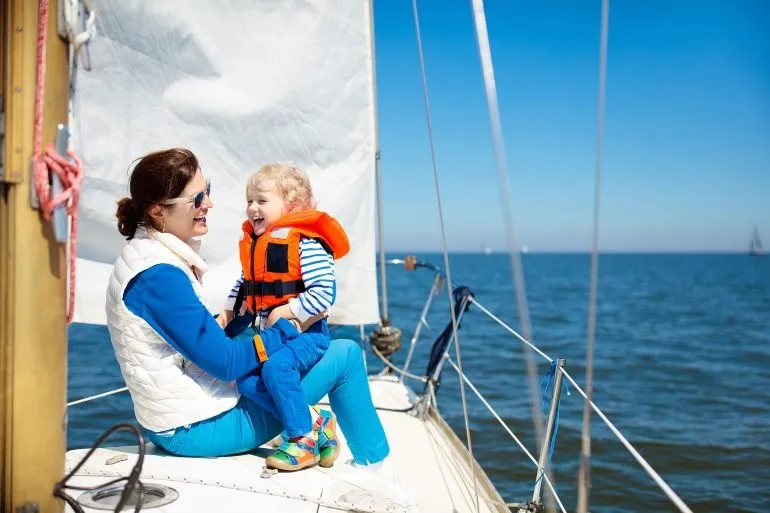
Many boaters believe life jackets are unnecessary unless they’re experiencing rough water or threatening weather conditions. However, half of all fatal boating accidents happen in calm water. And, in most cases, the victims were not wearing life jackets.
Some people find life jackets, also called personal flotation devices (PFDs), too bulky or bothersome to wear. But, because accidents happen quickly, water safety experts agree that wearing a PFD can save your life. In addition to choosing the right kind of PFD, it’s important to know how and when to use them.
Here is an overview of the current Michigan life jacket laws.
Do You Have a Case?Some of these laws were established by the U.S. Coast Guard, while others are specific to the state of Michigan. If you will be operating a boat in another state, it’s advisable to check the boating and life jacket laws for your destination(s).
The following rules apply to boaters in Michigan waterways:
1. You must carry a life jacket for every person on board
All vessels must be equipped with at least one Type I, II, or III U.S. Coast Guard-approved (USCG) personal floatation device (PFD) for each person on board. This requirement also applies to anyone who is being towed behind the boat, such as a water-skier.
2. Life jackets must be properly sized and approved
Each USCG-approved (Type I, II, or III) life jacket must be the proper size for each person on board or being towed. Sizing for PFDs is based on body weight and chest size.
Choosing the correct size is essential to ensuring the life jacket will function properly in an emergency.
3. Certain individuals are required to wear life jackets while on the boat
In some situations, simply having a life jacket on board is not enough. Michigan law requires that life jackets be worn in the following circumstances:
- All children under the age of 6 must wear a USCG-approved Type I or II PFD when riding on the open deck of any vessel that is underway
- Each person riding on a personal watercraft (PWC), such as a jet-ski, must wear a USCG-approved Type I, II, or III PFD.
- Anyone being towed behind a PWC or other vessel must also wear a life jacket
Because accidents can happen with little to no warning, wearing a life jacket at all times while on the water is the safest option.
4. Required equipment may vary based on vessel type
Vessels less than 16 feet long, including canoes or kayaks, must have either a wearable PFD (Type I, II, or III) or a throwable PFD (Type IV) for each person on board.
In addition to having a wearable life jacket for each person on board, vessels 16 feet or longer must have one readily accessible USCG-approved throwing device.
5. Life jackets must be usable in an emergency
All PFDs must be in good and serviceable condition. When not being worn, PFDs must be properly stowed and readily accessible.
Life jackets should not be stored in plastic bags, closed compartments or with other boating equipment covering them. PFDs must be easy to find and quick to put on if necessary.
In addition, inflatable PFDs are not permitted for anyone riding on a PWC or being towed behind a vessel.
CHOOSING THE RIGHT LIFE JACKET
Life jackets come in a variety of styles and sizes for people of all ages. In addition to life jackets for boating and water sports, there are specially-designed PFDs for fishing and waterfowl hunting.
Here is a guide to the most common types of PFDs:
TYPE I
These off-shore, highly visible life jackets are best for open, rough or remote waters where rescuers may take a while to arrive.
Type I PFDs have excellent buoyancy and flotation and will turn most unconscious wearers face-up in the water.
TYPE II
These near-shore vests are recommended for calm, inland water where rescuers are likely to arrive quickly.
While Type II PFDs will turn some unconscious wearers face-up in the water, they don’t accomplish this as effectively as Type 1 devices.
TYPE III
These wearable flotation aids are best for calm, inland water or situations where rescue is likely to be fast. They are comfortable and provide freedom of movement for those participating in active water sports.
However, they will not turn most unconscious users face up, and are not recommended for extended survival in rough water.
TYPE IV
These throwable rings, cushions, and buoys are intended to be thrown to someone in distress. They are most effective in calm, inland water with heavy boat traffic, where help is always readily available.
While they make a good back-up for wearable PFDs, they are not meant for unconscious victims, non-swimmers or children.
OTHER LIFE JACKET SAFETY TIPS
- Make sure to purchase life jackets that are the right size for you and your passengers.
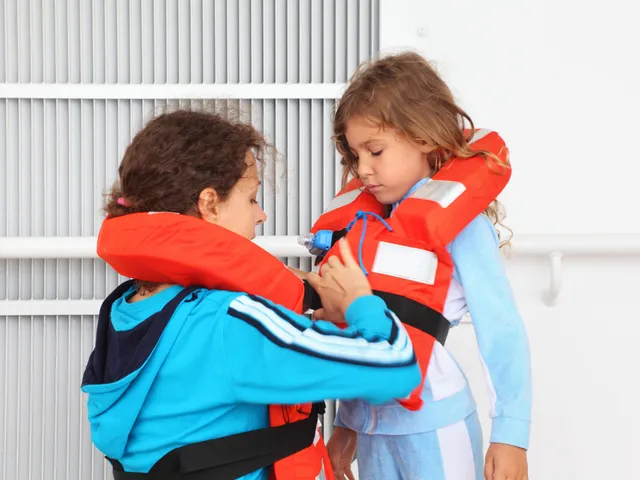
- Children should not wear adult-sized life jackets. To be effective, a life jacket should fit snugly enough to keep the child’s chin or ears from slipping through.
- Test the life jackets on your boat for wear and buoyancy at least once a year.
- Discard and replace all PFDs that are faded or leaky.
- Keep a life jacket on when canoeing, kayaking or whitewater rafting.
- Although it’s not required by law for adults, wearing a PFD whenever you’re in a moving watercraft is the safest option.
TALK TO AN EXPERIENCED BOATING ACCIDENT ATTORNEY TODAY
Michigan life jacket laws are complicated, but finding the right boating accident lawyeris simple. Our team is here to guide you through the legal process to pursue the compensation you deserve.
Start your case today by filling out the form below or calling us today for a free no-obligation consultation.
Do You Have a Case?