The Dangers of Driving with Dementia
Published:
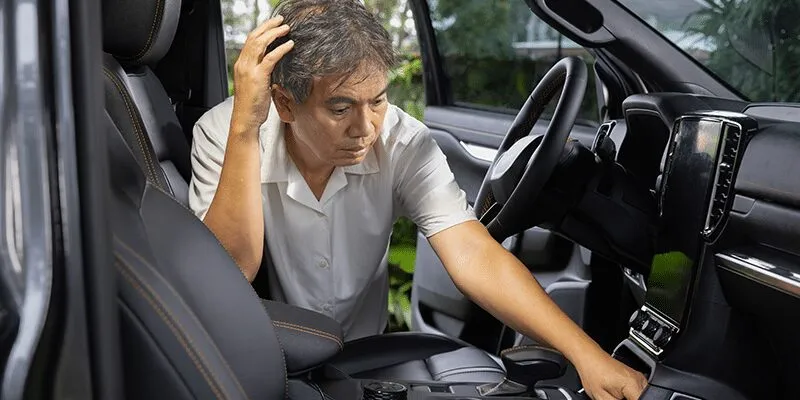
In much of Michigan, driving is how people get to the doctor, the store and family. Many older adults keep driving even as dementia, vision loss or slower reflexes make it unsafe. IIHS notes that fewer people 70 and older are licensed than younger adults, but fatal crash involvement per mile traveled rises around 70 and is highest at 85 and older, often because older occupants are more easily injured, not only because they crash more often.
If you are hurt in a crash, an experienced car accident attorney can help protect your rights. Families also need a plan before a loved one becomes a danger on the road.
Do You Have a Case?WHEN SHOULD AN ELDERLY PERSON STOP DRIVING?
There is no birthday that ends driving. The question is ability. Many people do not notice their own decline, or they deny it.
Watch for:
- Delayed reactions
- Getting lost on familiar routes
- Anxiety about driving
- Trouble changing lanes or staying in lane
- Hitting curbs on right turns or when backing up
- New scratches and dents on the car, garage or mailbox
- Frequent near-misses
- Driving much too fast or too slow for conditions
- More than one crash in a short period
- Two or more recent moving violations
- Health problems or medications that affect alertness
WHICH CONDITIONS MOST COMMONLY AFFECT DRIVING ABILITY?
- Alzheimer’s disease and other dementias
- Hearing or vision problems
- Stroke
- Parkinson’s disease
- Arthritis
- Diabetes
- Medications that cause drowsiness or slow reactions (including some anti-anxiety drugs, opioids, other pain medicines and sleep aids)
WHAT CAN FAMILY MEMBERS DO WHEN AN ELDERLY PERSON BECOMES A DANGEROUS DRIVER?
If you would not ride with them, or would not let them drive your children, it is time to act. Keep it a calm conversation. Aging organizations suggest:
Plan ahead
Talk before a crisis. Map rides, family help and local senior transport.
Be compassionate
Driving feels like independence. Use “I” statements: “I’m concerned about your safety,” not “You are a bad driver.” Anger and defensiveness are common. Offer to pause and talk later.
Suggest limits first
Some people can still drive short daytime trips and skip highways, night driving and bad weather. Offer rides or help pay for ride services.
Focus on safety
Frame the goal as protecting them and everyone else on the road.
Enlist a third party
If they refuse, ask their physician to raise it.
Request a driver evaluation from the Michigan Secretary of State
A concerned person, including family, a doctor or a lawyer, can ask SOS for a driver assessment. Age alone is not enough; SOS can reexamine when a condition may make driving unsafe, after certain crashes, or after repeated at-fault wrecks.
FATAL CRASHES AND OLDER DRIVERS
IIHS reports that passenger-vehicle fatal crash rates per mile start climbing at 70–74 and peak at 85+. Fragility (chest injury, medical complications) is a large part of that pattern.
In Michigan, drivers 65 and older are a sizable share of licensed drivers but a smaller share of all crashes than of fatal crashes. That is another sign that the same wreck is more often deadly.
SAFETY TIPS FOR OLDER DRIVERS
- Get regular eye exams and wear the correction you need
- Wear hearing aids if you use them
- Limit night driving if glare or darkness is a problem
- Skip phones and loud audio
- Leave extra following distance
- Avoid hazardous weather and rush hour when you can
- Do not drive after alcohol or sedating medication
- Consider a professional driving assessment or a refresher course
CONTACT OUR EXPERIENCED MICHIGAN CAR ACCIDENT LAWYERS TODAY
If you or a loved one is injured in a Michigan car accident, we can help. Our lawyers have the skills and resources to pursue the compensation you deserve.
Michigan car accident law is complicated, but finding the right car accident attorney is simple.
Don’t let the legal clock run out. Fill out the brief form below or contact us for a free, no-obligation consultation.
Do You Have a Case?