The Darker Side of Daylight Saving Time: What Every Driver Should Know
Published:

Springing ahead can leave you groggy. Extra evening light is real; so is a bump in deadly crashes and other health events in the days after the change.
Rest and extra caution help. If you or a loved one is still injured, an experienced car accident attorney can help you pursue compensation.
Do You Have a Case?WHAT IS DAYLIGHT SAVING TIME?
Most of the United States moves clocks forward one hour on the second Sunday in March and back one hour on the first Sunday in November. The idea is more than a century old, including wartime energy rules.
The Uniform Time Act of 1966 set a national framework. States may opt out of observing daylight saving time. Hawaii and most of Arizona do not (the Navajo Nation in Arizona does). Several U.S. territories also stay on standard time year-round.
WHY DO CAR ACCIDENTS INCREASE AFTER THE “SPRING AHEAD” TIME CHANGE?
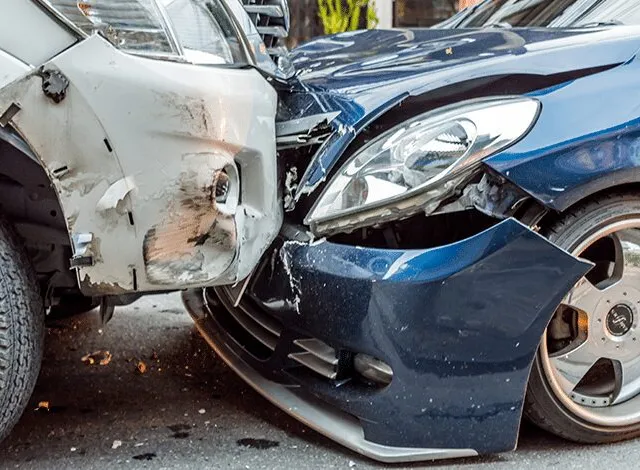
A Current Biology study of U.S. fatal crashes (1996–2017) found about a 6% increase in the week after the spring change. It was worse in the morning and farther west in a time zone.
Springing forward does not make the sun rise earlier on the clock. Clock-time sunrise is later (darker commutes) and sunset is later (lighter evenings). Lost sleep plus a darker morning commute is the usual explanation. The same study did not find a similar spike after the fall “fall back.”
DROWSY DRIVERS LOSE MORE THAN SLEEP
Police reports undercount drowsy driving. NHTSA’s official drowsy figures are only about 1–2% of deaths. The AAA Foundation for Traffic Safety estimated that about 17.6% of fatal crashes in 2017–2021 involved a drowsy driver, roughly 29,800 deaths over those five years.
Other research often cited by safety groups:
- Short sleep can impair driving in ways similar to alcohol (the “two hours / three beers” comparison is a simplification, not a lab measurement of every driver)
- Very short sleep (about four to five hours) is tied to a much higher crash risk than a full night
Even if you never fully nod off, slow reactions and lane drift are enough to wreck a car.
WHAT ARE OTHER NEGATIVE CONSEQUENCES OF DAYLIGHT SAVING TIME?
Johns Hopkins Bloomberg School of Public Health has summarized other associations with the seasonal shift, including more heart attacks and strokes, mood changes, hospital visits and stress-related symptoms. Those are population findings, not a diagnosis of any one driver.
If you crash in that week, Michigan No-Fault and ordinary negligence rules still apply. Drowsiness is not a defense.
CONTACT OUR EXPERIENCED MICHIGAN CAR ACCIDENT ATTORNEYS TODAY
If you or a loved one is injured in a car accident, we can help. Our lawyers have the skills and resources to pursue the compensation you deserve.
Michigan car accident law is complicated, but finding the right car accident attorney is simple.
Don’t let the legal clock run out. Fill out the brief form below or contact us for a free, no-obligation consultation.
Do You Have a Case?