What Evidence Do You Need to Win Your Michigan Car Accident Case?
Published:
TV crime shows are not a Michigan courtroom. You still need proof. In a third-party crash case the injured person (the plaintiff) has the burden of proof: it is more likely than not that the other driver was negligent and that the crash caused your losses.
Here is the evidence that usually matters in a car accident claim.
Do You Have a Case?WHY IS EVIDENCE IMPORTANT IN A CAR ACCIDENT CASE?
Drivers and insurers often disagree about fault, speed and how badly you were hurt. The other side may say the injury was old, minor or unrelated.
Damages can include economic losses (medical bills, wage loss, health-plan reimbursement) and noneconomic losses (pain, suffering, disability) if you meet Michigan’s threshold and fault rules. PIP still needs its own medical proof, even when nobody is “at fault” for first-party benefits.
WHAT KIND OF EVIDENCE IS USED IN CAR ACCIDENT LAWSUITS?
Two buckets: how the crash happened, and how you were harmed.
1. Evidence about the crash
Photos, video, driver and witness statements, the police report, and later, discovery.
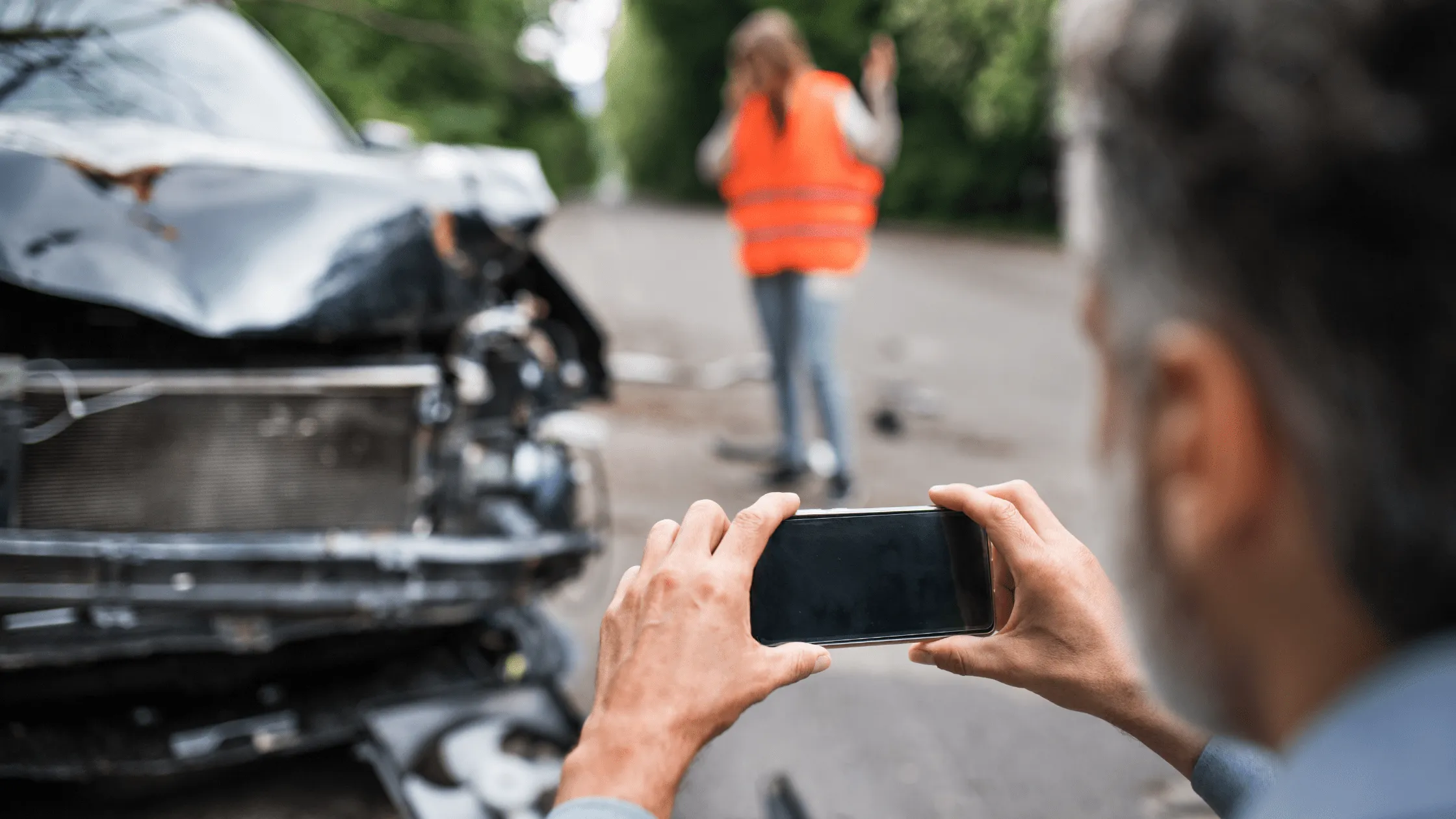
Photos and video (if you can do this safely):
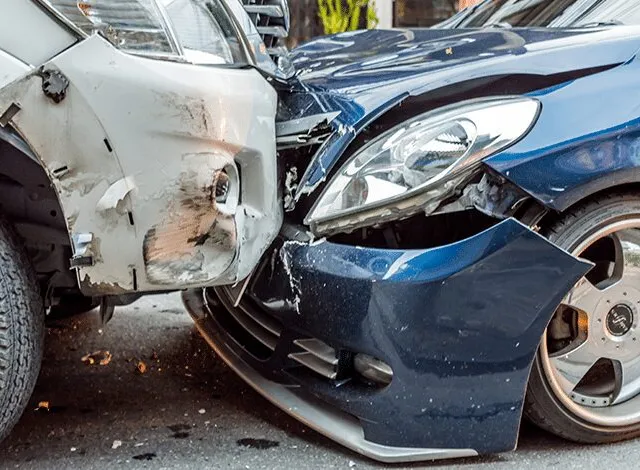
- Damage to every vehicle
- The location, signs and signals
- Interior damage
- Resting positions
- Weather, light and road surface
- Skid marks and debris
- Visible injuries
Witnesses. Names and numbers. Ask police to note them. An uninvolved witness often carries more weight than a passenger in your car.
Police report. You get a report number. Insurers and your lawyer use it to order the completed report. Officers who did not see the crash usually cannot “testify” through the report; much of it is hearsay. It is still useful in talks with the insurer.
Interrogatories and depositions come after a lawsuit is filed, not when you first open a PIP claim.
- Interrogatories: written questions answered under oath
- Depositions: spoken testimony under oath, recorded. If trial testimony changes, the deposition can be used to challenge it
Event data recorders (“black boxes”). Many cars store speed, throttle, braking, belt use, steering and airbag data for the seconds around a crash. That can settle a “he said / she said” on whether someone braked or how fast they were going.
2. Evidence of damages
Medical records: ER care, follow-up, imaging, surgery, therapy.
Money losses: pay stubs or employer letters, bills, estimates of future care.
Experts: treating doctors or other specialists on diagnosis, work limits and future needs.
Noneconomic harm: journals, family observations, and how daily life changed. In Michigan this is not automatically the “largest” part of a case, because PIP already covers much of the medical bill. It still matters when the threshold is met. Harm to a spouse (loss of consortium) can be a separate claim in some cases.
LET OUR EXPERIENCED CAR ACCIDENT LAWYERS START YOUR CASE TODAY
If you or a loved one is injured in a car accident, we can help. Our legal team has the experience and resources to pursue the compensation you deserve.
Car accident law is complicated, but finding the right vehicle accident lawyer is simple.
Get your case started today by filling out the brief form below or contact us for a free, no-obligation consultation.
Do You Have a Case?