Your Guide to Understanding Michigan No-Fault Insurance
Published:
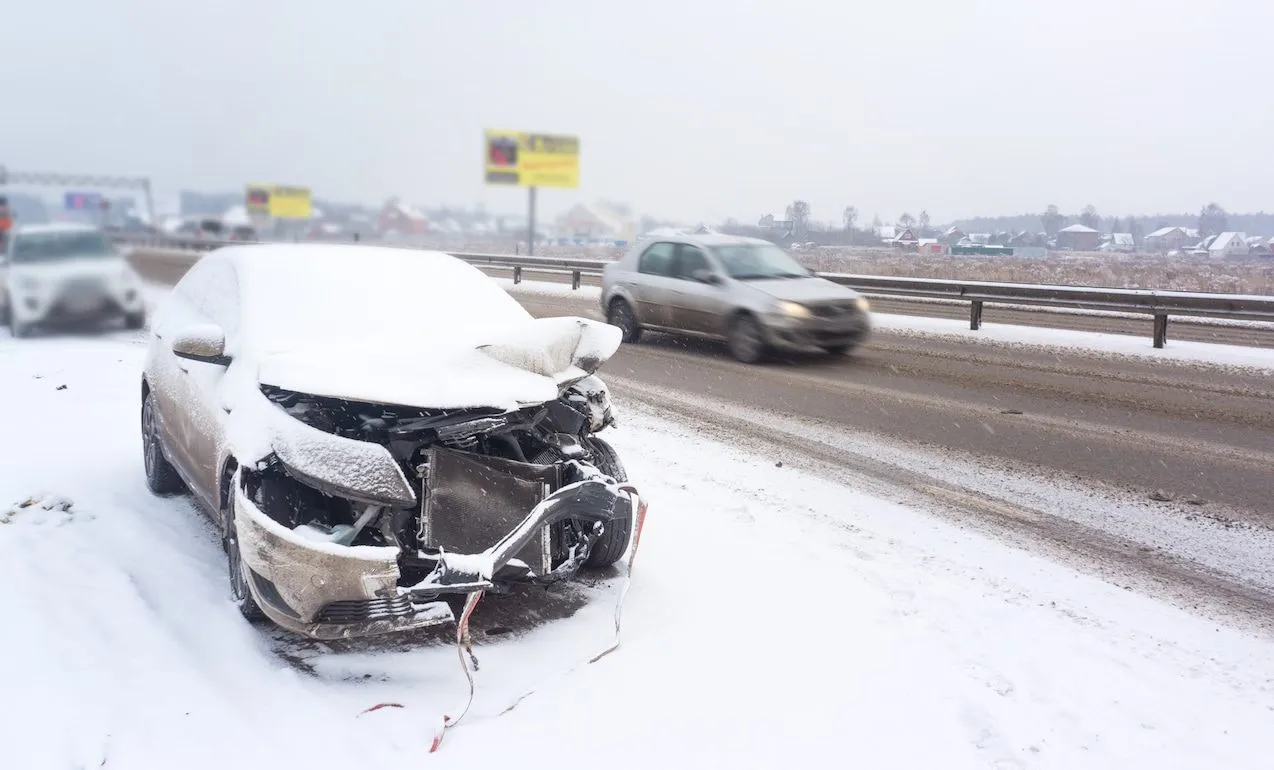
If you are confused about Michigan No-Fault, you are not alone. The system is still among the most complicated in the country. The 2019 reforms that took effect in 2020 made it more so: PIP medical coverage is now a menu of limits, not a single unlimited benefit.
Michigan still requires No-Fault security on each motor vehicle that must be registered here (MCL 500.3101). This guide covers what that policy actually pays, who can sue, and where motorcycles fit. For a fuller overview, see our Michigan No-Fault law page.
Do You Have a Case?WHAT IS COVERED BY A MICHIGAN NO-FAULT POLICY?
No-Fault means you generally do not have to prove who caused the crash to collect first-party benefits. Medical bills, wage loss and related expenses are paid in a statutory order of priority, usually starting with your own auto insurer (MCL 500.3114).
That is separate from a lawsuit against an at-fault driver. PIP does not pay pain and suffering. A third-party claim might.
A typical Michigan auto policy also includes:
- PIP — medical and related first-party benefits, discussed below
- Residual liability — coverage if you injure someone else and they can sue
- Property protection (PPI) — damage to other people’s property or a legally parked vehicle, generally up to $1 million
Collision and comprehensive, which pay to repair your car, are optional.
Recommended reading: What Are the Six PIP Options and Which One Should I Choose?
WHAT IS THE DIFFERENCE BETWEEN ECONOMIC AND NON-ECONOMIC BENEFITS?
Economic (first-party) benefits come from PIP. They cover dollars you can document: medical care, rehab, attendant care, wage loss, replacement services, mileage to treatment, and sometimes home or vehicle modifications.
Non-economic (third-party) damages are things like pain and suffering. They are not a PIP check. They are a tort claim against the at-fault owner or driver, subject to Michigan’s injury threshold and comparative-fault rules (MCL 500.3135).
WHAT DOES PERSONAL INJURY PROTECTION (PIP) PAY?
PIP medical is limited to the amount chosen on the policy, per person per accident (MCL 500.3107c). The Department of Insurance and Financial Services lists six choices:
- Unlimited PIP medical
- $500,000
- $250,000
- $250,000 with exclusions for named people who have qualifying health coverage
- $50,000 — only if the named insured is on Medicaid and household members have qualifying coverage or another Michigan PIP policy
- No PIP medical — only if the named insured has Medicare Parts A and B (or Medicare Advantage) and household members have qualifying coverage or another Michigan PIP policy (MCL 500.3107d)
If you never make a valid selection, the policy is supposed to issue with unlimited PIP medical.
Lower PIP medical usually means a lower premium. The tradeoff is real: the auto insurer will not pay medical bills above the limit you bought. Catastrophic care can exhaust $250,000 or $500,000 quickly.
The dollar caps apply to PIP medical. Other PIP pieces still look a lot like the old law (MCL 500.3107):
- About 85% of work loss, for up to three years, subject to a monthly cap
- Replacement services (housework, cooking, yard work), historically up to $20 a day, also for up to three years
- Survivors’ loss if a dependent’s support is cut off by a fatal crash
WHO IS COVERED UNDER MY POLICY?
Start with the named insured, their spouse, and a relative of either who lives in the same household. Their PIP usually follows them, including as a pedestrian or as a passenger in someone else’s car (MCL 500.3114(1)).
Occupants who have no household PIP policy generally claim through Michigan’s assigned claims plan, not automatically through the car they were riding in (MCL 500.3114(4)). There are exceptions for some buses, taxis and similar vehicles.
Pedestrians and bicyclists hit by a motor vehicle typically look to the insurers of the vehicles involved (MCL 500.3115). Motorcyclists have their own priority list, below.
If someone in the household opted out of PIP medical or was excluded, they may have little or no auto-policy medical coverage and must rely on health insurance or a third-party claim.
WHAT ABOUT DAMAGES FOR PAIN AND SUFFERING?
A claim for pain and suffering has to meet two requirements.
First, the injury must be death, serious impairment of a body function, or permanent serious disfigurement. “Serious impairment” means an objectively manifested impairment of an important body function that affects the person’s general ability to lead their normal life. There is no required duration (MCL 500.3135).
Second, noneconomic damages are reduced for comparative fault and barred if you are more than 50% at fault. An uninsured owner or operator can also be barred from those damages.
Default residual liability limits are $250,000 per person / $500,000 per accident, with a floor of $50,000 / $100,000. An at-fault driver can still be personally on the hook above the policy.
A third-party lawsuit is generally three years (MCL 600.5805). PIP is shorter: you generally need written notice within one year of the crash (MCL 500.3145).
DOES MICHIGAN NO-FAULT COVER MOTORCYCLE ACCIDENTS?
Motorcycles are not “motor vehicles” under the No-Fault act. Riders are not required to buy the same PIP medical coverage car owners buy.
If a motorcycle crash involves a motor vehicle, the injured rider or passenger generally claims PIP from auto insurers in this order (MCL 500.3114(5)):
- Insurer of the owner of the motor vehicle involved
- Insurer of the driver of that motor vehicle
- Motor-vehicle insurer of the motorcycle operator
- Motor-vehicle insurer of the motorcycle owner
If the crash is motorcycle-only (another bike, a deer, a solo dump), those auto PIP dollars usually are not there. Michigan insurers must offer optional motorcycle PIP. Liability coverage on the bike is still required.
Recommended reading: Motorcycle Accidents Without Insurance
START YOUR CASE WITH A SKILLED CAR ACCIDENT ATTORNEY
If you or a loved one was injured in a Michigan car, truck, bike or motorcycle crash, we can help you sort PIP from a third-party claim and meet the deadlines.
Michigan No-Fault insurance law is complicated, but finding the right attorney is simple.
Fill out the brief form below or call 1-800-CALL-SAM today for a free, no-obligation consultation.
Do You Have a Case?