Self-Driving Cars to Change No-Fault Insurance in Michigan
Published:
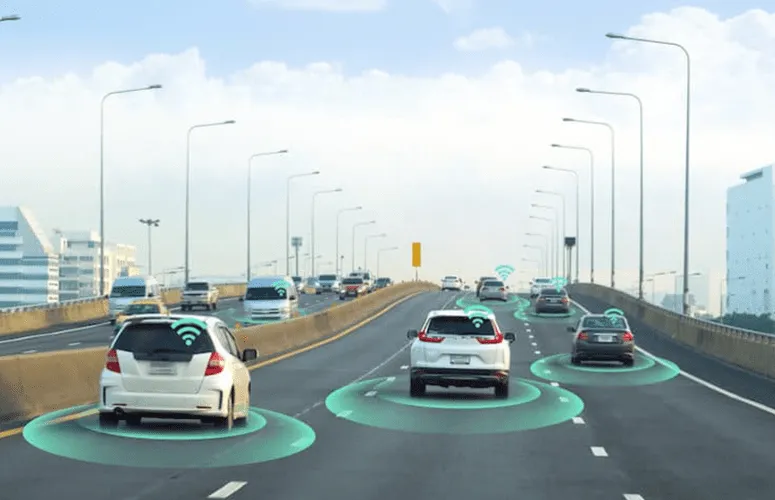
Driverless features are already on the road: automatic emergency braking, lane keeping and blind-spot warnings. Fully driverless operation is still limited, but it is no longer science fiction. Those systems raise hard questions about who pays after a crash and how Michigan No-Fault fits.
Do You Have a Case?HOW DOES NO-FAULT INSURANCE WORK IN MICHIGAN?
Michigan still requires most vehicle owners to carry No-Fault, including Personal Injury Protection (PIP). PIP pays allowed medical expenses (up to the medical level on the policy: unlimited, $500,000, $250,000, $50,000, or an opt-out in limited cases), work loss for up to three years, and replacement services (traditionally up to $20 a day). If someone dies, funeral and survivor’s-loss benefits may apply.
Property protection insurance (PPI), not PIP medical, generally covers damage to other people’s property, with a statutory cap often described as up to $1 million, including many legally parked vehicles.
Noneconomic damages (pain and suffering) and excess economic loss still come from a third-party claim against an at-fault driver or, in some cases, a manufacturer or other defendant. PIP has its own priority rules for which insurer pays.
An automated vehicle is still a motor vehicle. Until the Legislature rewrites those statutes, crash victims generally start with the same PIP and liability framework as any other auto claim.
THE EFFECT OF DRIVERLESS VEHICLES ON NO-FAULT INSURANCE IN MICHIGAN
What is changing is who else may share fault when software or hardware is involved:
- Premiums have long been based on the chance a human driver crashes. If human error falls, rating may shift toward the vehicle and its systems.
- If the owner skips a required software update, is the owner, the automaker or the software vendor liable?
- If LiDAR or cameras fail, is that the vehicle maker or a parts supplier?
- If a connected feature drops its data link and the car crashes, who pays?
- If a computer-controlled vehicle is hacked, is that a crime, a product defect, or both?
- Some systems still struggle with pedestrians, cyclists and unpredictable human drivers. Product-liability and negligence theories may overlap with No-Fault.
- Sensors and computers are expensive to repair, which can raise collision costs even when injury claims fall.
- Insurers may price policies using vehicle data (miles, hard braking, system status), not only age and driving record.
“No-Fault insurance in Michigan has a complex set of rules, regulations and exceptions,” said Mark Bernstein of The Sam Bernstein Law Firm. “As we see more driverless vehicles on our roadways, the insurance system will become even more confusing and difficult to navigate. That is why you should call us immediately if you or a loved one is injured in an accident involving any kind of motor vehicle. Our experienced attorneys will make sure you receive the compensation you and your family deserve.”
Michigan No-Fault law is complicated, but finding the right car accident lawyer is simple.
Fill out the brief form below or contact us for a free, no-obligation consultation.
Do You Have a Case?