Who’s Responsible in a Semi-Truck Accident?
Published:
Deaths in large-truck crashes were 58% higher in 2024 than in 2009, when the count hit its modern low, according to the Insurance Institute for Highway Safety. NHTSA reports 5,340 people died in those crashes in 2024, about 70% of them occupants of other vehicles, not the truck. An estimated 161,000 people were injured.
A federal-weight-law tractor-trailer can weigh up to 80,000 pounds. Michigan allows even heavier combinations on properly spaced axles. If you were in a crash with one of these vehicles, a commercial truck accident lawyer can help you sort who is responsible and pursue compensation.
Do You Have a Case?WHAT IS A SEMI-TRUCK?
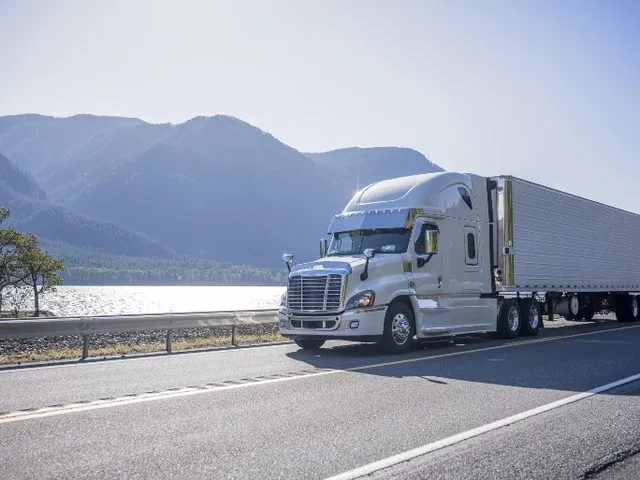
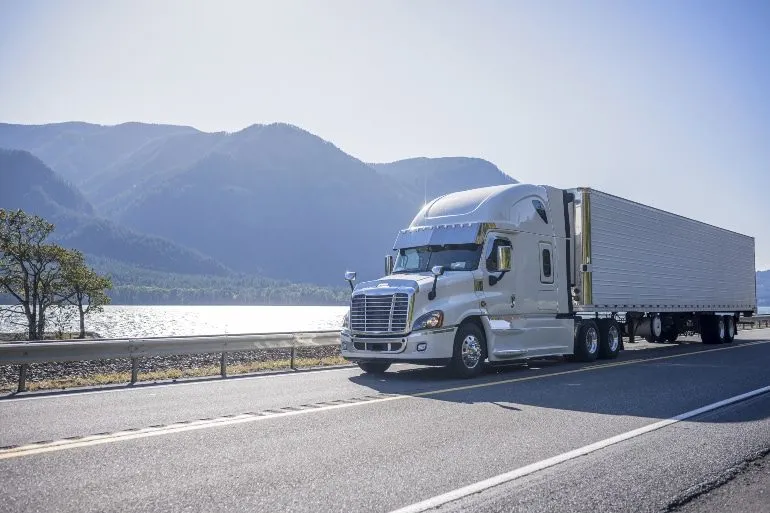
A semi-truck is a tractor unit pulling one or more semi-trailers. People also call them semis, 18-wheelers, tractor-trailers or big rigs. They haul freight; many have a sleeper berth so the driver can rest on long trips.
NHTSA’s “large truck” category is broader: any medium or heavy truck over 10,000 pounds GVWR, including trucks that are not tractor-trailers. The fatality numbers above use that definition.
WHY ARE SEMI-TRUCK ACCIDENTS SO DANGEROUS?
A loaded tractor-trailer at the federal cap can weigh about 20 times as much as a 4,000-pound passenger car. Occupants of the smaller vehicle take most of the force. In 2024, NHTSA found 70% of people killed in large-truck crashes were in other vehicles; 17% were truck occupants and 12% were pedestrians, cyclists or other people outside a vehicle.
Michigan is an outlier on weight. Because state law limits axle loads rather than a single gross-weight cap, a properly configured 11-axle truck can legally weigh up to 164,000 pounds, according to MDOT. More mass means longer stopping distances and more force in a collision.
Two trucks colliding with each other can also kill or catastrophically injure both drivers.
WHERE AND WHEN DO MOST SEMI-TRUCK ACCIDENTS OCCUR?
NHTSA reports that in 2024:
- 75% of fatal large-truck crashes happened on non-interstate roads
- 56% were in rural areas
- 76% were on weekdays
- 62% were in daylight (6 a.m. to 5:59 p.m.)
The National Safety Council, using the same FARS file, lists October as the peak month for fatal truck crashes and March as the lowest. Fatal truck crashes tend to cluster in the busier freight months.
Recommended reading: Semi Truck Blind Spots When Driving
WHAT ARE SOME OF THE CAUSES OF SEMI-TRUCK ACCIDENTS?
Sometimes the truck driver causes the crash. Sometimes a passenger vehicle cuts into a no-zone or the trucker’s lane. Federal rules still matter because they set the standard the carrier and driver were supposed to meet.
Driver fatigue. Hours of service are in 49 CFR Part 395. Electronic logging is required for most interstate carriers. Driving past those limits, or a company that pressures drivers to do so, is a common issue in these cases.
Driver error. Speeding, distraction, following too closely, improper lane changes and alcohol or drugs can all be involved. Large-truck drivers in fatal crashes are less likely than car drivers to be over the legal BAC limit, but that does not mean the trucker is never at fault.
Stopping distance. FMCSA’s following-distance guidance cites about 196 feet for a loaded tractor-trailer at 55 mph, versus 133 feet for a passenger vehicle, in ideal conditions. Wet or icy pavement makes the gap worse.
Poor visibility. Trucks have large no-zones in front, on both sides and behind. Safety agencies commonly describe the rear gap as stretching up to 200 feet. If you cannot see the driver’s face in a side mirror, assume they cannot see you. See our blind-spot guide.
Faulty equipment or poor maintenance. Carriers must inspect, repair and maintain commercial vehicles under 49 CFR Part 396. Bad brakes, bald tires, lighting failures or a poorly secured load can turn a small problem into a catastrophic one.
WHO IS RESPONSIBLE?
More than one defendant is often in play. Depending on the facts, a claim may name:
- The truck driver
- The motor carrier that employed or dispatched the driver
- The truck or trailer owner, if different from the carrier
- A maintenance shop or parts supplier
- The truck, trailer or component manufacturer
- A shipper or loader, if cargo was overweight, unbalanced or unsecured
- Another motorist, if a passenger vehicle caused the crash
Federal hours-of-service, maintenance and hazmat rules can show what the company failed to do. Those files (logs, qualification records, inspection reports and ELD data) are easier to get if someone asks for them quickly.
In Michigan, No-Fault generally pays medical bills and wage loss after a motor-vehicle crash regardless of fault. A separate claim against at-fault parties can pursue pain and suffering when the injury meets Michigan’s threshold. Most personal injury lawsuits must be filed within three years (MCL 600.5805). PIP notice can be much shorter (MCL 500.3145).
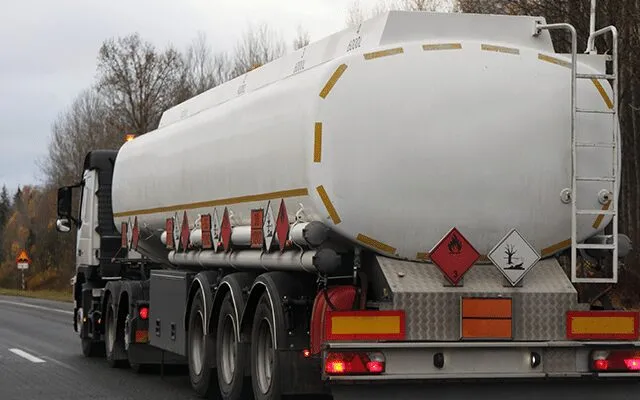
Recommended reading: Why Are HAZMAT Commercial Truck Accidents So Dangerous?
WHY HIRE A LAWYER WHO HANDLES SEMI-TRUCK CASES?
These claims are not ordinary fender-benders. Injuries are often severe, several businesses may share the load, and the insurance stack is not just a Michigan auto policy. An experienced truck accident lawyer knows which records to demand and which deadlines apply.
Michigan accident law is complicated, but finding the right lawyer is simple.
LET OUR EXPERIENCED LAWYERS HELP YOU AFTER A SEMI-TRUCK ACCIDENT
If you or a loved one was hurt in a crash with a large truck, we can help. Fill out the brief form below or call 1-800-CALL-SAM today for a free, no-obligation consultation.
Do You Have a Case?