

MICHIGAN NURSING HOME ABUSE AND NEGLECT LAWYERS
Nursing home neglect and abuse is a national disgrace. When a family chooses a nursing home for their loved one, they trust the facility to provide comprehensive, compassionate care in a safe environment. Unfortunately, many elderly adults are mistreated by people expected to protect them.
At Sam Bernstein Law, we believe those who abuse vulnerable elderly people should be held responsible. If you suspect a family member is suffering from abuse or neglect in a nursing home or assisted living facility, call us immediately. As Michigan's most experienced personal injury law firm, we will protect the rights of your loved one and win the compensation your family deserves.
WHAT IS NURSING HOME ABUSE?
The CDC (Centers for Disease Control and Prevention) defines elder abuse as “an intentional act or failure to act that causes or creates a risk of harm to an older adult,” which includes anyone age 60 or above. Abuse can be physical, emotional/psychological, sexual or financial. It may be deliberate or unintentional. Neglect is another form of equally harmful abuse that can have serious consequences that include fall injuries, malnutrition, bedsores, and, in some cases, death.
Elder abuse falls into five main categories:
Physical abuse
The intentional use of physical force to harm or intimidate that includes:
- Hitting or slapping
- Shoving
- Kicking
- Shaking or beating
- Use of physical restraints such as straps or belts
- Deliberately withholding necessary medication or treatment
- Improper use of drugs such as sedatives or sleeping medications
- Use of psychotropic or other medications for any purpose not authorized by a physician
- Deprivation of food or water
Sexual abuse
Any forced or unwanted sexual interaction, including:
- Nonconsensual touch or contact
- Rape
- Non-physical types of sexual harassment such as lewd remarks, inappropriate comments about a person’s body or appearance, staring at a resident in a way that causes discomfort
Emotional/psychological abuse
Verbal or nonverbal behaviors intended to cause distress or fear, including:
- Yelling, shouting or scolding
- Insulting or disparaging remarks
- Threatening or intimidating residents
- Deliberately ignoring patient requests
- Unreasonable or punitive confinement to a room or other area
Neglect
Failing to meet basic needs of residents, including:
- Failure to assist patients with personal hygiene
- Failure to provide adequate food and water
- Failure to administer correct dosages of prescribed or over-the-counter medication
- Failure to prevent infections
- Failure to provide necessary medical care, including mental health services
- Failure to provide a safe, hazard-free environment
- Failure to prevent bedsores on bedridden or immobile patients
Financial abuse
Taking advantage of a patient for financial gain, including:
- Illegally gaining access to a resident’s bank account or credit card
- Coercing or manipulating a patient to give away money, property or other assets
- Pressuring a resident to change a will or beneficiary
- Stealing money, jewelry or other belongings
HOW PREVALENT IS NURSING HOME ABUSE?
Elder abuse and neglect are more common than most people imagine. According to the National Council on Aging (NCOA), between 10 – 20 percent of seniors, or close to five million people, have experienced some type of abuse. For individuals with cognitive impairment, the estimated rate of abuse is an alarming one out of three. However, since the majority of elder abuse cases (one out of 24) are never reported, experts believe the actual numbers are much higher, especially in nursing homes and assisted living facilities.
WHAT KIND OF HARM RESULTS FROM NURSING HOME ABUSE OR NEGLECT?
Nursing home abuse causes a wide range of physical and psychological injuries, illnesses and other dire outcomes, including death.
Here are some of the most common consequences suffered by older victims of abuse and neglect:
- Serious infections from bedsores or untreated wounds
- Suffocation or strangulation caused by beds with widely spaced side rail slats (more than six inches apart) or improperly fitting mattresses that allow residents to become trapped between the mattress and the side rails
- Broken bones, fractures and contusions
- Psychological damage
- Malnutrition
- Dehydration
- Dental problems
- Nail fungus
- Muscle weakness from lack of exercise
- Social withdrawal
- Diminished self esteem
- Loss of money or valuables
WHAT ARE THE MOST COMMON SIGNS OF NURSING HOME ABUSE OR NEGLECT?
There are certain warning signals that may indicate your loved one is suffering from nursing home abuse or neglect.
Here are some of the most common signs:
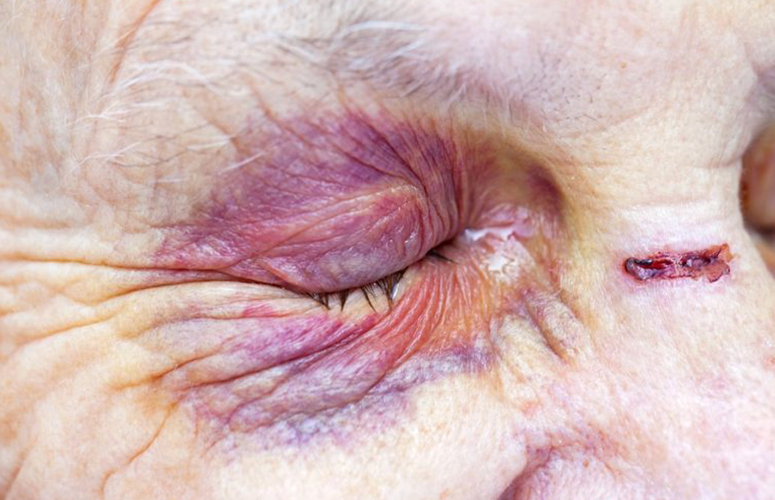
- Unexplained bruises, cuts or welts
- Infections
- Bedsores
- Frequent colds, viruses or other illnesses
- Unintentional weight loss
- STDs or other signs of sexual assault such as bruising
- Dirty clothing, towels or linens
- Decline in personal hygiene such as unwashed hair
- Thinning hair, sunken eyes, dry lips or other signs of dehydration or malnutrition
- Clothing that is suddenly too loose
- Failure of staff to explain physical symptoms or emotional changes
- Atypical agitation or anxiety
- Emotional withdrawal
- Sudden lack of interest in socializing or participating in group activities
- Fear or apprehension around specific people
- Missing cash or valuables
- Unexplained bank withdrawals or credit card charges
WHAT ARE BEDSORES?
Bedsores, also called pressure ulcers, are one of the most common signs of nursing home neglect. They primarily affect residents who must rely on caregivers to reposition them, such as individuals who are confined to bed, wheelchair users and patients with medical conditions that limit their mobility.
According to the National Institutes for Health (NIH), bedsores are the second most common hospital-diagnosed injury in the U.S., with an average of 2.5 million cases annually. They are caused by unrelieved pressure against the skin and usually develop on bony areas such as the tailbone, heels, ankles or hips. When left untreated, bedsores can result in infections or other serious conditions. Approximately 60,000 people die from bedsore complications every year.
Bed sores most commonly develop over bony areas of the body, such as the heels, ankles, hips, and tailbone. They are caused by pressure against the skin, which limits blood flow to the skin and nearby tissues. Limited mobility makes the skin vulnerable to damage, as does age, since the skin becomes thinner, more fragile, elastic, and drier with time. For wheelchair users, watch for bed sores on areas of the body that press against the wheelchair, like the tailbone, buttocks, shoulder blades, spine, and the backs of arms and legs. For those who are confined to bed rest, look for bed sores on the head, the rims of the ears, shoulders and shoulder blades, hips, low back, tail bone, heels, ankles, and the skin behind the knees.
WHAT STANDARDS OF CARE ARE REQUIRED FOR NURSING HOMES?
Numerous state and federal laws enacted over the years establish specific guidelines and regulations for licensed nursing homes and assisted living facilities that receive Medicare and Medicaid funding. Designed to protect the rights and well-being of older adults, these rules apply to every aspect of patient care, including staffing, activities, individual care plans, medication, record-keeping, nutrition, hygiene, assistive devices, communication with physicians and family members, safety protocols and much more.
Nursing homes and other facilities that fail to comply with these standards of care may be subject to fines, license probation or revocation, mandatory management changes and/or termination of Medicare and Medicaid funding.
Sadly, although nursing homes are required to follow the guidelines set forth in these laws, neglect and abuse is still widespread. Hiring our experienced team of personal injury lawyers is the best way to hold the negligent parties accountable and receive the compensation you deserve.
THE NURSING HOME REFORM ACT
The 1987 Nursing Home Reform Act is a comprehensive federal law enacted to protect the rights of older adults living in nursing homes and other long-term care facilities. The law, which emphasizes the importance of individual dignity and self-determination, requires nursing homes to provide "services and activities to attain or maintain the highest practicable physical, mental, and psycho-social well-being of each resident in accordance with a written plan of care."
Here are some of the things nursing homes are required to do under this law:
- Care for residents in a manner and in an environment that promotes maintenance or enhancement of each person’s quality of life (42 CFR 483.15)
- Promote care for residents in a manner and in an environment that maintains or enhances each resident’s dignity and respect in full recognition of his or her individuality (42 CFR 483.15)
- Conduct regular assessments of each resident’s functional capacity (42 CFR 483.20)
- Develop a comprehensive care plan for each resident that includes measurable objectives and timetables to meet the medical, nursing, mental, and psychosocial needs identified in the comprehensive assessment (42 CFR 483.20)
- Prevent the deterioration of a resident’s ability to bathe, dress, groom, transfer and ambulate, toilet, eat, and to use speech, language or other functional communication systems (42 CFR 483.25)
- Ensure that residents do not develop pressure sores and, if a resident has pressure sores, must provide the necessary treatment and services to promote healing, prevent infection and prevent new sores from developing (42 CFR 483.25)
- Ensure residents receive adequate nutrition and fluids to maintain recommended weight, protein levels, hydration and overall health (42 CFR 483.25)
- Ensure that residents receive the correct medication in the dosages prescribed by their physician (42 CFR 483.25)
These are some of the rights and protections provided in the Nursing Home Reform Act.
The Michigan Patient Bill of Rights
Michigan law MCL 333.20201, also known as the “Patient Bill of Rights,” is a state law that establishes rights and protections similar to those provided in the Nursing Home Reform Act.
Under this law, patients have the right to:
- Receive appropriate care regardless of race, religion, color, national origin, sex, age, disability, marital status, sexual preference or source of payment
- Access their medical records upon request
- Review medical bills and receive information about financial assistance when necessary
- Confidential treatment of personal and medical records
- Treatment and personal care that respects privacy and dignity
- Present grievances or recommend changes in policies and services without compromising care
- Have private communications with people such as physicians, family members or attorneys
- Fully exercise their civil and religious liberties
- Participate in the activities of social, religious and community groups as desired, unless medically contradicted
- Be free from mental and physical abuse
These are the highlights of the rights provided in the Michigan Patient Bill of Rights. Visit the Michigan Legislature website for the complete version.
ARE NURSING HOMES SUBJECT TO MINIMUM STAFFING REQUIREMENTS?
Although federal minimum staffing requirements established by CMS (Centers for Medicare and Medicaid Services) in 2024 were repealed last year, some states, including Michigan, have their own laws for nursing home personnel.
Since 1978, Michigan law (MCL – 333.21720a) has required each facility to have at least one licensed nurse on duty at all times. In addition, nursing homes must retain enough staff to provide a minimum of 2.25 hours of nursing care per day for each resident.
The Michigan Public Health Code also requires the following minimum nursing care staff-to-resident ratios:
Morning shift: 1 nursing care employee for 8 residents
Afternoon shift: 1 nursing care employee for 12 residents
Nighttime shift: 1 nursing care employee for 15 residents
In addition, designated members of the nursing staff may not provide basic services such as food preparation, housekeeping, laundry or maintenance, except in emergencies. In facilities with 30 or more beds, the director of nursing is not included in the minimum staffing ratios listed above.
WHO IS LIABLE FOR NURSING HOME ABUSE AND NEGLECT?
Determining who is responsible in a nursing home abuse case can be challenging because multiple parties may be involved. This is one of many reasons it is important to hire an experienced nursing home abuse lawyer if you suspect a loved one is being abused or neglected.
Here are some examples of parties that may be liable in a nursing home abuse claim:
- Direct care workers, including facility employees and contractors
- A staffing agency that provided the employee who caused the harm
- The facility and/or other employers can be responsible for their employees’ negligent conduct as well as for their own actions, including negligent hiring practices, inadequate training or supervision, understaffing, medical errors and failure to provide a safe environment
- Food service companies
- Outside maintenance or cleaning companies
- Security firms or personnel
HOW MUCH WILL I RECEIVE IN A NURSING HOME LAWSUIT?
Because every case is unique, there is no standard amount of compensation for a nursing home claim. Verdicts and settlements are based on a variety of factors, including the type and severity of the injuries, the actions or omissions of the nursing home and the degree of negligence that can be proven. Our firm has a reputation for winning large settlements for victims of nursing home abuse, and we are ready to fight for you and your family.
And, when you hire our experienced nursing home abuse lawyers, there are no upfront fees or retainers. We don’t get paid until we win your case.
That’s the Bernstein No Fee Guarantee®.
HOW LONG DO I HAVE TO FILE A NURSING HOME ABUSE/NEGLECT CLAIM?
Like most personal injury claims, the filing deadline, also known as the statute of limitations, is typically three years from the date the abuse or neglect was discovered. Nursing home abuse cases can be complicated because some elderly victims may not be able to recognize or report abuse as soon as it happens. Therefore, it is best to contact our experienced nursing home abuse lawyers as soon as possible if you suspect a loved one is being mistreated.
WHAT IF MY LOVED ONE IS UNABLE TO TESTIFY ABOUT THE ABUSE?
Many victims of nursing home neglect or abuse have difficulty communicating what happened. In other cases, the victim has passed away. However, when a nursing home caused the injury or death of an elderly person, it is still possible to initiate and win a lawsuit on their behalf. Our experienced attorneys know how to navigate the complicated legal issues surrounding these cases and win the compensation victims and their families deserve.
WILL THE NURSING HOME RETAILIATE AGAINST OUR LOVED ONE?
While this is a natural concern, Michigan law (MCL 333.20201) under the Michigan Public Health Code prohibits nursing home owners, administrators, employees or representatives from retaliating against patients who have exercised their legally protected rights. This means the facility may not terminate the patient’s stay or engage in any form of harassment or discrimination.
Furthermore, taking legal action against abuse or negligence will help ensure the safety of your loved one and the other residents. Otherwise, the mistreatment is likely to continue or worsen. Our knowledgeable nursing home abuse lawyers will take the necessary steps to protect your loved one and achieve a successful financial result.
HOW TO FIND THE BEST NURSING HOME
Moving your loved one to a nursing home is a big decision, and choosing the right facility can be challenging. Although abuse and neglect can occur at reputable, fully licensed nursing homes, these tips will help you go beyond the standard tour and get a deeper look at what goes on behind the scenes:
- Make at least one unannounced visit to the home(s) you are considering
- Walk through the facility and observe the environment, including the residents and staff members
- People in nursing homes often want company, so, if possible, talk with other residents
- Ask questions about their experience, what they like and what they are not happy with
- If you see other family members visiting loved ones, ask their opinion of the facility and the staff and how the administration handles problems or concerns
- Ask to see the most recent assessment survey of the facility, read it carefully and ask questions about anything you find concerning
- When meeting with the administration, ask about the staff, including how many are nurses, what the staff-to-ratio is at different times of day and whether they have an on-site or on-call social worker or mental health professional
- Ask if the facility allows web cameras, sometimes called "granny cams," in patient rooms so you can have virtual visits with your loved one and keep an eye on them as well
- Look closely at the other residents for signs of neglect such as ill-fitting or soiled clothing, straggly hair, visible sores or bruises, or people wandering around alone who seem confused or disoriented
- Use your sense of smell to detect concerning odors such as urine or feces that may signal poor hygiene protocols or inattentive staff
- If possible, visit the dining room during a meal and observe whether staff is assisting residents who need help cutting food or eating or whether those individuals are left to struggle on their own
- Visit the potential nursing home more than once and plan your visits at different times of the day and week, especially evenings or weekend afternoons when staff levels may be lower
- Examine the physical environment for cleanliness as well as safety features such as handrails in the hallways, adequate lighting and non-slip surfaces and potential fall hazards such as loose carpeting or exposed electrical cords.
- Ask to meet all of the key executive personnel at the facility, including the administrative head and the nursing director
- Make notes during your visit and follow up with questions and concerns about issues that were not addressed
If you suspect a family member is suffering from abuse or neglect, contact us today. Our experienced nursing home abuse lawyers have the knowledge, legal expertise and resources to keep your loved one safe and win the compensation you and your family deserve.
Client reviews

"THEY KEPT ME UPDATED."
- Veronica, Actual Client
"I WILL BE FOREVER GRATEFUL."
- Tim, Actual Client
"I FELT LIKE I WAS A PART OF THE FAMILY"
- Terrence, Actual Client
"VERY PROFESSIONAL & KNOWLEDGEABLE"
- Sherry, Actual Client
"PASSIONATE, COMPETENT, COMMITTED"
- Actual Client
"THEY STAND BY THEIR WORD."
- Actual Client
"KIND & COMPASSIONATE"
- Nancy, Actual Client
"YOU CAN TRUST THEM 100%."
- Michael, Actual Client
"HONEST, CARING, SUPPORTIVE."
- Janice, Actual Client
"THEY TOOK PERSONAL INTEREST IN ME."
- Janice, Actual Client
"I KNEW I WAS IN GOOD HANDS"
- Jerry, Actual Client
"NUMBER ONE PERSON I'D RECOMMEND."
- Actual Client
"SAM'S GOT YOU COVERED."
- Chris, Actual Client
RECOMMENDED READING

5 Steps You Can Take to Prevent Nursing Home Abuse...
Nursing home abuse has become a shameful epidemic in our cou Read more…
December 17, 2019

The Best Nursing Homes in Michigan...
Choosing to move an elderly family member to a nursing home Read more…
October 24, 2019
How to Spot Patient Abuse in a Nursing Home...
Clara W. loved spending time with her family, looking at old Read more…
August 27, 2019
What Are Your Rights as a Patient?...
When you are admitted to a hospital or move into a nursing h Read more…
September 20, 2018
Why You May Need a Nursing Home Attorney...
You have done your research and selected a nursing home you Read more…
August 21, 2018

Understaffing in Nursing Homes Lowers Quality of P...
Moving a loved one to a nursing home is never an easy decisi Read more…
July 11, 2018
Nursing Home Abuse Incidents Go Unreported...
What is Happening An alarming alert from the Office of U.S. Read more…
October 13, 2017
Deficiencies in Michigan Nursing Home Inspections...
Medicare recently published statistics showing that nearly o Read more…
October 6, 2017
Nursing Home Abuse and Neglect...
While a nursing home is often the most practical option for Read more…